Blog

maison

Blog

  • Best Solar Energy Solutions for Africa: Choosing Reliable Solar Suppliers for Remote Areas

    Best Solar Energy Solutions for Africa: Choosing Reliable Solar Suppliers for Remote Areas

    Nov 02, 2026
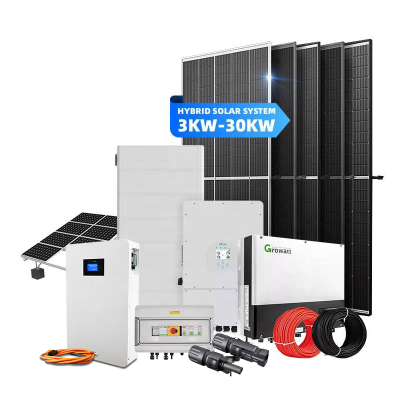
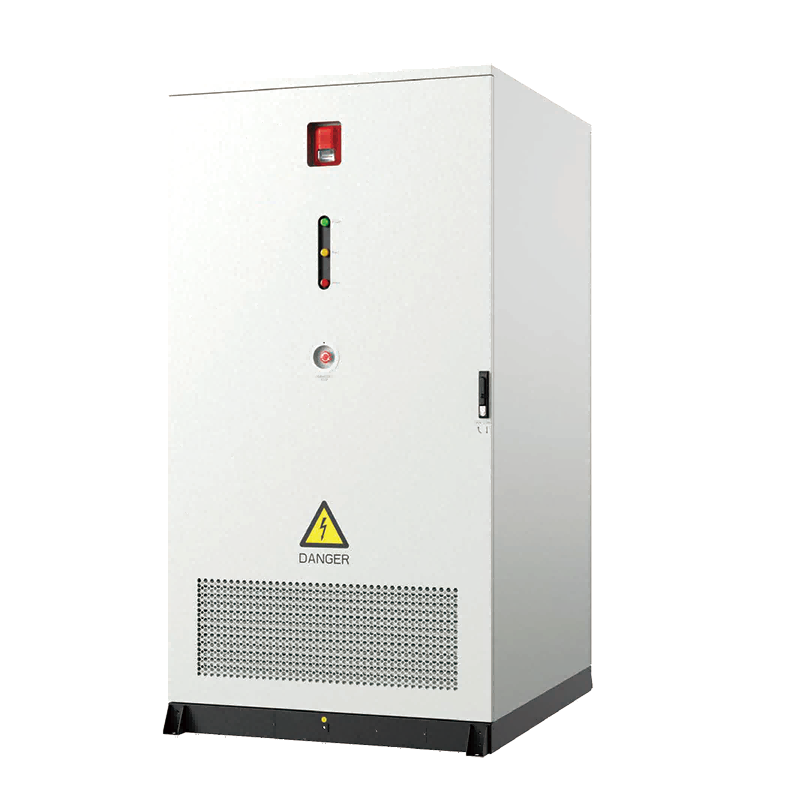
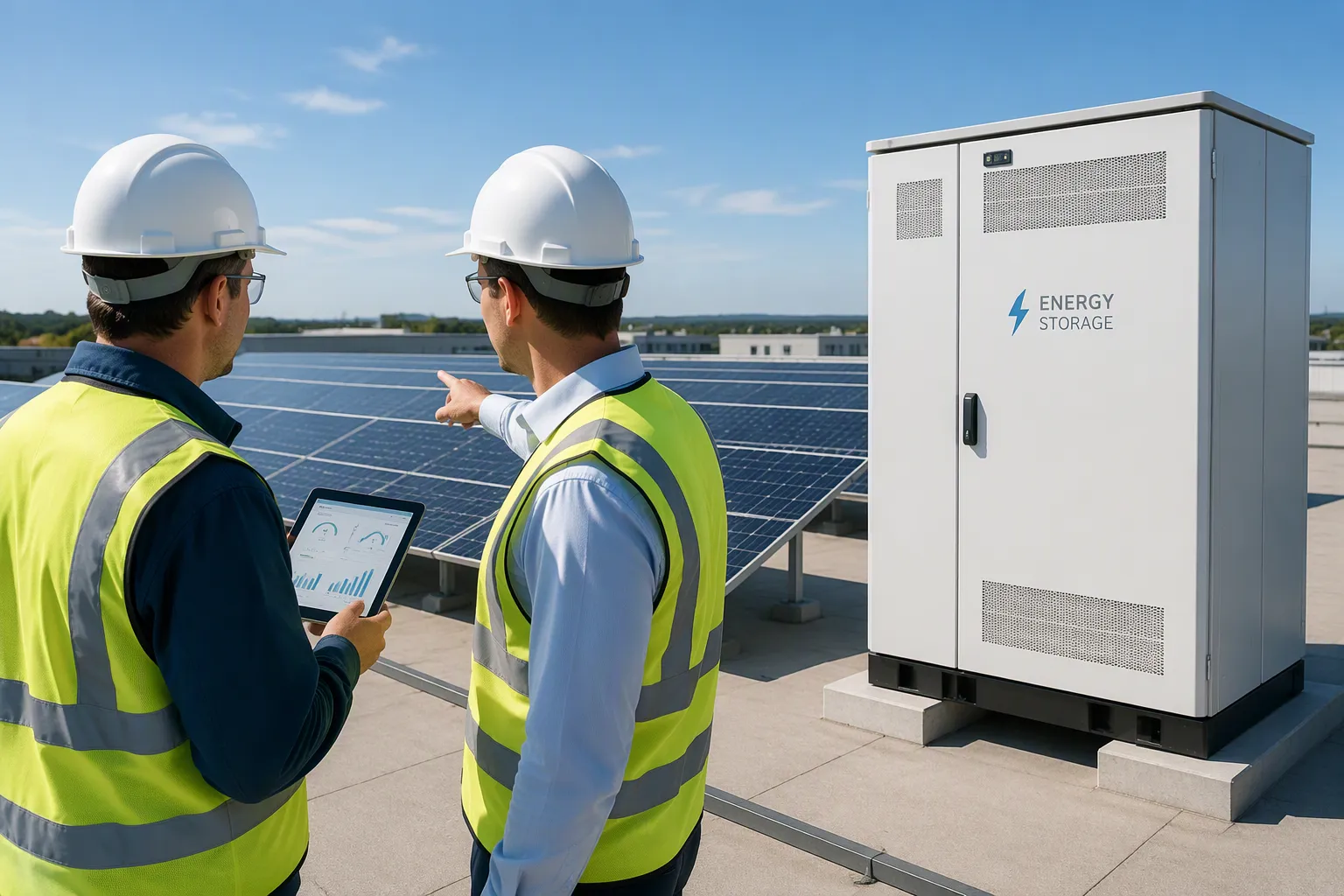
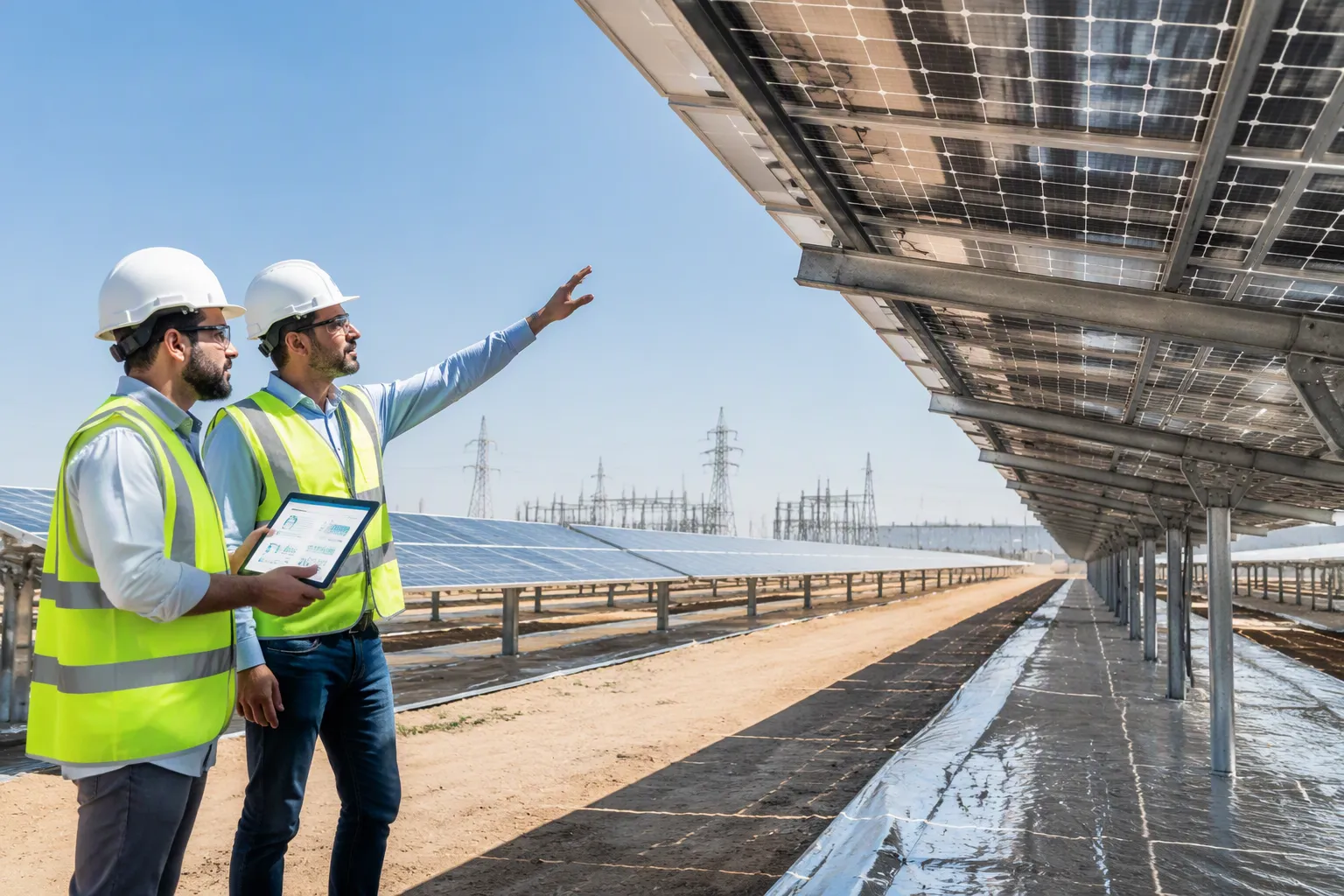
    Access to reliable electricity remains a practical challenge for many remote communities, rural businesses, farms, schools, healthcare facilities, and infrastructure projects across Africa. In areas where grid connections are unavailable, unreliable, or expensive to extend, solar power offers a flexible way to generate electricity close to where it is needed. The best solar energy solutions for Africa are not necessarily the largest or most expensive systems. They are systems designed around local energy demand, sunlight availability, weather conditions, installation requirements, battery storage needs, and long-term maintenance. A well-designed off-grid solar system can support lighting, water pumps, refrigeration, communications, small businesses, and other essential loads without depending entirely on a conventional power grid. For project developers, distributors, EPC contractors, and solar installers, choosing a reliable solar supplier is just as important as selecting the equipment itself. PNG Solar provides photovoltaic modules, lithium batteries, inverters, and integrated solar energy systems for residential, commercial, and industrial applications. This guide explains what to consider when sourcing solar equipment for remote areas in Africa and how to select a solution that fits the project. An integrated off-grid solar system combines PV modules, battery storage, and power conversion equipment. Why Solar Energy Is Important for Remote Areas in Africa Extending electricity infrastructure to remote settlements can involve significant construction, transportation, and maintenance challenges. For isolated homes and businesses, connecting to the nearest grid may not be practical or economically attractive. Solar energy provides an alternative by generating electricity at or near the point of consumption. Africa also has substantial solar energy potential, although actual solar generation varies by location, season, weather, shading, and system design. A solar installation in northern Africa may experience different temperature and dust conditions from a project in coastal West Africa or the highlands of East Africa. These differences should be considered when selecting equipment and planning system capacity. Solar power can support several important applications in remote areas: Rural households: Lighting, fans, refrigeration, mobile phone charging, televisions, and other daily electrical needs. Agriculture: Water pumping, irrigation, livestock facilities, crop storage, and farm equipment. Healthcare facilities: Lighting, vaccine refrigeration, medical equipment, and communication systems. Education: Classroom lighting, computers, internet access, and digital learning equipment. Commercial operations: Shops, workshops, warehouses, small factories, and rural service businesses. Telecommunications: Power for communication equipment and remote network infrastructure. The key advantage is flexibility. A solar installation can be designed for a single building, a group of homes, an agricultural site, or a larger commercial facility. Battery storage can be added when electricity is needed outside daylight hours or when backup power is important. What Are the Best Solar Energy Solutions for Africa? The best solar energy solution for a remote African project depends on its connection to the grid, electricity consumption, available installation space, budget, and required operating hours. In most cases, buyers should compare three main system types: off-grid solar systems, hybrid solar systems, and commercial energy storage solutions. Off-Grid Solar Systems for Remote Communities An off-grid solar system operates independently of the public electricity grid. It generally includes solar panels, an off-grid inverter or charge controller, battery storage, mounting structures, and electrical protection components. During daylight hours, the PV modules generate electricity to supply connected loads and charge the batteries. Stored energy can then be used at night or when sunlight is insufficient. This configuration is particularly useful for remote homes, farms, rural facilities, and locations where grid electricity is unavailable. For smaller residential and rural applications, PNG Solar offers a 4KW–6KW off-grid solar system configuration with lithium battery storage and a Voltronic inverter. Its published product information includes 51.2V battery options with 5.2kWh and 10.5kWh nominal capacities. The appropriate configuration depends on the site's daily energy demand and required backup duration. Explore the PNG Solar 4KW–6KW off-grid solar system for residential and small project applications. Hybrid Solar Systems for Flexible Power Supply A hybrid solar system combines photovoltaic generation and battery storage with a grid connection or another backup power source, depending on its configuration. It can use solar electricity first, store surplus generation, and draw power from an alternative source when required. This setup can be useful for businesses, hotels, schools, farms, and residential properties that have access to a grid or generator but want to reduce dependence on conventional electricity sources. It also provides more flexibility when solar generation changes throughout the day. For locations with an unreliable grid, a properly configured hybrid system can help maintain power to selected loads during interruptions. Buyers should confirm that the inverter supports the intended backup operation, battery communication, and generator or grid integration. PNG Solar supplies hybrid solar energy systems for residential and larger commercial applications. Commercial and Industrial Solar Energy Storage Large farms, factories, warehouses, commercial buildings, and infrastructure projects may require more than a small standalone solar installation. These sites often need higher power output, larger battery capacity, coordinated energy management, and dedicated electrical protection. Commercial and industrial energy storage systems can store solar electricity for later use, support selected critical loads, and help manage electricity demand. In locations with an available grid, they may also support energy shifting and peak-demand management, subject to local tariffs and grid regulations. PNG Solar offers integrated commercial storage configurations, including 50KW systems with nominal battery capacities of approximately 100kWh and 114kWh. These systems use lithium iron phosphate battery chemistry and an integrated cabinet design. For larger project requirements, review PNG Solar's 50KW commercial and industrial energy storage system. An integrated battery cabinet for commercial and industrial energy storage projects. How to Choose Solar Panels for African Climate Conditions Solar panels used in African projects may face high ambient temperatures, dust accumulation, strong sunlight, seasonal rainfall, humidity, and, in coastal locations, salt exposure. The correct panel selection should therefore consider more than rated wattage. When comparing photovoltaic modules, buyers should review the following specifications: Power output: Higher-wattage modules may help reduce the number of panels and mounting connections required for a given array capacity, subject to electrical design and available space. Module efficiency: Higher efficiency can be useful when roof or installation space is limited. Temperature coefficient: This indicates how module power changes as cell temperature rises above the reference condition. Mechanical strength: Check the module's certified mechanical load ratings and suitability for the local wind and installation conditions. Environmental resistance: Review relevant testing and product specifications for humidity, dust, salt mist, and other site conditions. Warranty: Check the product warranty and power performance warranty separately, including the terms and exclusions. N-type TOPCon and bifacial photovoltaic modules are options worth evaluating for suitable African projects. Bifacial modules can generate additional electricity from reflected light on the rear side when the mounting design and ground conditions support useful rear-side irradiance. The actual gain depends on albedo, module height, spacing, shading, and installation layout. PNG Solar supplies N-type TOPCon photovoltaic modules, including high-power and bifacial product options. Buyers can explore the PNG Solar PV module product range and compare available specifications for their project. Why Battery Storage Matters for Remote Solar Projects Solar panels generate electricity when sunlight is available, but many remote facilities need power after sunset. Battery storage bridges this gap by storing surplus electricity during the day and supplying it when solar production falls. Lithium iron phosphate (LiFePO4) batteries are widely used in stationary solar storage because of their thermal stability and cycle-life characteristics. Their suitability for a particular project still depends on cell quality, battery management, charging conditions, operating temperature, and system design. When selecting a solar battery for Africa, consider: Usable capacity: Select enough usable kWh to support the intended loads during the required period. Depth of discharge: Follow the manufacturer's recommended operating range rather than assuming all nominal battery capacity is available. Operating temperature: Check charging and discharging temperature limits and whether thermal management is needed. Battery management system: Confirm protection against abnormal voltage, current, temperature, and cell imbalance. Inverter compatibility: Verify battery voltage, current limits, and BMS communication protocols. Expansion capability: Check whether additional battery modules can be connected if energy demand increases. For example, PNG Solar's residential off-grid system page lists 51.2V lithium battery options with 5.2kWh and 10.5kWh nominal capacities, and a stated cycle life of 6,000 cycles under specified test conditions. These figures apply to the listed product configuration and should not be treated as universal performance guarantees for all battery installations. Explore PNG Solar's lithium battery and energy storage products to compare battery options for different solar applications. Solar Solutions for Agriculture and Water Pumping Agriculture is an important application for solar energy in remote African areas. Farms may need electricity for irrigation, livestock watering, crop processing, refrigeration, lighting, and equipment operation. In locations where grid access is limited, solar power can reduce dependence on fuel-based generation. Solar water pumping is one practical example. A PV array can power a suitable pump during daylight hours, moving water to an irrigation system or storage tank. Where water is stored in a tank, the system may be able to use solar power directly without requiring a large battery solely for nighttime pumping. A proper pump system design should consider the water source, required daily water volume, total dynamic head, pipe length, pump efficiency, seasonal water availability, and daily solar irradiation. These details determine the required PV capacity and pump selection. For farms that also require evening electricity for lighting, refrigeration, security, or processing equipment, battery storage can be added as part of a broader solar power solution. Separating daytime pumping demand from nighttime electrical demand often makes system sizing more efficient. Solar Power for Rural Healthcare, Schools, and Small Businesses Reliable electricity can make a meaningful difference to essential services in remote communities. Healthcare facilities may need power for lighting, vaccine refrigeration, medical equipment, communications, and basic administrative operations. Schools may need electricity for classrooms, computers, internet equipment, and evening study areas. Small businesses also benefit from a stable power supply. Shops, food businesses, repair workshops, and rural service centers may depend on refrigeration, lighting, charging equipment, and small machinery to operate consistently. For these applications, system design should prioritize critical loads. A healthcare facility, for example, may need a dedicated backup circuit for refrigeration and essential medical equipment. A school may have a different load profile, with higher demand during daytime teaching hours. Rather than installing the same solar configuration for every building, project developers should prepare a load list, estimate daily energy use, identify peak power requirements, and decide how many hours of backup are necessary. This provides a more reliable basis for selecting panels, inverters, and batteries. How to Choose a Reliable Solar Supplier for Africa Choosing a reliable solar supplier is an important part of any remote-area project. Even technically suitable equipment can create problems if product documentation is incomplete, components are incompatible, spare parts are difficult to obtain, or technical support is unavailable when needed. Before placing an order, buyers, distributors, and EPC contractors should evaluate several areas. Product Range and System Integration A supplier with experience across PV modules, batteries, inverters, and complete solar systems can make equipment selection and system coordination easier. Buyers should still confirm that the proposed components are compatible and that the supplier can provide the technical information required for installation. Certifications and Technical Documentation Request relevant datasheets, test reports, product certificates, warranty documents, and installation manuals. For PV modules, check applicable IEC testing and destination-market requirements. For lithium batteries, review relevant safety and transportation documentation, including UN 38.3 where applicable. Do not rely on a general company certificate as proof that every product model meets the same requirements. Verify the model number, certificate scope, issuing organization, and validity. Manufacturing and Quality Control Ask about manufacturing facilities, production procedures, inspection processes, component sourcing, and quality control records. A supplier should be able to explain how products are tested and how defects or quality issues are handled. Warranty and After-Sales Support Remote installations can be expensive to service, especially when replacement parts must travel long distances. Before purchasing, clarify warranty coverage, troubleshooting procedures, technical response channels, spare parts availability, and the process for handling faulty equipment. Export and Logistics Experience International solar projects require careful shipping and documentation planning. Buyers should confirm packaging standards, shipping terms, lead times, export documents, battery transportation requirements, and the availability of technical documentation for customs clearance and local installation. A dependable supplier should be willing to discuss these points before the order is confirmed, rather than leaving important project details until the equipment is ready to ship. Important Factors When Installing Solar Systems in Remote African Locations A solar system designed for a remote location needs to account for local conditions from the beginning. Transportation, site access, installation skills, security, maintenance, and environmental exposure can all affect long-term performance. High temperatures: Review the operating temperature limits of modules, batteries, and inverters. Provide appropriate ventilation or cooling where required. Dust and sand: Consider panel cleaning access, equipment enclosure protection, air filtration, and maintenance intervals. Heavy rainfall and humidity: Check enclosure ratings, cable entries, drainage, mounting design, and protection against moisture. Coastal environments: Evaluate corrosion resistance for mounting structures, connectors, fasteners, and exposed electrical equipment. Lightning and electrical surges: Design suitable grounding, bonding, and surge protection according to local standards and site risk. Security: Consider equipment placement, secure mounting, fencing, and protection against unauthorized access. Maintenance access: Select equipment that local technicians can inspect, monitor, and service with available tools and replacement parts. For remote installations, simplicity and serviceability matter. A system that is easy to monitor, troubleshoot, and maintain may be more practical than a complicated configuration with features the local operator cannot use. How to Size a Solar Power System for a Remote Project Correct system sizing begins with an assessment of electricity demand. List every appliance or piece of equipment, its rated power, expected operating hours, and whether it must run during the day or at night. For a preliminary energy estimate, use: Daily energy consumption Appliance power (kW) × Operating hours per day = Daily energy use (kWh) Total system demand = Sum of the daily energy use of all connected loads. For example, a remote facility uses 2 kW of equipment for 5 hours each day and another 1 kW of lighting and communication equipment for 6 hours. Daily energy consumption = (2 × 5) + (1 × 6) = 16 kWh per day. This is the energy demand at the load side. The PV array must generate additional electricity to account for system losses and battery charging. The battery capacity must be based on the energy required during periods without sufficient solar production, together with the permitted depth of discharge and operating reserve. The inverter must also support the maximum simultaneous load and any starting surge from motors, pumps, or compressors. For locations with several consecutive cloudy days, consider additional solar capacity, larger storage, load management, or an alternative backup source. For project buyers, PNG Solar's off-grid solar system range provides a starting point for comparing configurations for remote residential and commercial applications. PNG Solar Solutions for African Distributors and Project Developers PNG Solar, operated by Hefei Pinergy Solar Technology Co., Ltd., was founded in 2017 and focuses on the manufacturing and supply of photovoltaic modules, energy storage products, and solar power systems. Its product range covers PV modules, lithium batteries, inverters, and integrated solar solutions. For African solar distributors, installers, and project developers, this product coverage provides options for evaluating different project scales, from residential off-grid installations to commercial and industrial storage systems. For example, PNG Solar publishes a 100KW power conversion system with a 215KWH LiFePO4 battery cabinet. The product information identifies an outdoor cabinet design, IP54 protection, a battery management system, and integrated storage equipment. These specifications should be checked against the actual installation environment and project requirements. View the PNG Solar 100KW / 215KWH commercial energy storage cabinet for its published technical information. PNG Solar also provides larger integrated storage configurations, including a 125KW / 241KWH LiFePO4 cabinet for commercial and industrial applications. This type of solution may be evaluated for facilities with higher power and energy requirements, subject to load analysis and engineering review. For distributors and EPC contractors sourcing solar equipment for African markets, PNG Solar's complete solar product portfolio provides access to different equipment categories for project planning and product comparison. The right solution is determined by the actual application, not simply by the product's rated capacity. Share the project location, daily electricity demand, required power output, backup duration, installation conditions, and preferred system type when requesting technical recommendations. Conclusion: Choosing the Right Solar Supplier for Africa Reliable solar energy solutions can help remote communities, farms, businesses, and public facilities gain access to electricity without depending entirely on conventional grid infrastructure. However, long-term project performance depends on more than solar panel capacity. Battery storage, inverter compatibility, installation quality, environmental protection, system sizing, and maintenance planning all play important roles. When choosing a solar supplier for Africa, buyers should look for a company that can provide clear product specifications, relevant technical documentation, compatible system components, dependable export support, and practical solutions for different project requirements. PNG Solar supplies photovoltaic modules, lithium batteries, inverters, and integrated solar energy systems for residential, commercial, and industrial applications. Whether you are planning an off-grid installation for a remote property or sourcing energy storage equipment for a larger project, explore PNG Solar's solar energy solutions to identify suitable products for your market. A reliable solar project starts with a clear understanding of local energy needs and a supplier capable of supporting the equipment requirements from product selection through delivery and technical coordination. Frequently Asked Questions About Solar Energy Solutions in Africa What are the best solar energy solutions for remote areas in Africa? Off-grid solar systems are suitable for locations without reliable grid access. They typically combine solar panels, an inverter, and battery storage. Hybrid systems may be more suitable when a grid or generator is available as an additional power source. The right solution depends on energy demand, backup requirements, local climate, and project budget. Why are off-grid solar systems useful in rural Africa? Off-grid solar systems generate electricity locally without requiring a connection to the public grid. They can support homes, farms, schools, healthcare facilities, and small businesses in remote locations where grid extension is difficult or unavailable. Which battery is suitable for solar energy storage in Africa? LiFePO4 lithium batteries are widely used in stationary solar storage because of their thermal stability and cycle-life characteristics. Buyers should compare usable capacity, operating temperature, BMS protection, inverter compatibility, warranty terms, and applicable safety documentation. How many solar panels are needed for a remote home? The required number depends on daily electricity consumption, panel wattage, local peak sun hours, system losses, shading, and seasonal weather. Calculate daily energy demand first, estimate realistic solar production, and then determine the required PV array capacity. Can solar power operate water pumps and irrigation systems? Yes. Solar photovoltaic systems can power compatible water pumps and irrigation equipment. Proper sizing requires information about water volume, pumping head, operating hours, pump efficiency, and available solar generation. What should buyers check before choosing a solar supplier in Africa? Buyers should review product specifications, manufacturing quality, relevant certifications, warranty terms, inverter and battery compatibility, export experience, shipping documentation, spare parts availability, and after-sales technical support. Are solar panels suitable for hot and dusty African environments? Yes, provided the selected modules and system components are suitable for the local conditions. Buyers should check temperature coefficients, mechanical load ratings, environmental test documentation, inverter operating limits, enclosure protection, and maintenance requirements. Dust accumulation should also be included in the maintenance plan. Does PNG Solar supply off-grid and commercial solar systems for African projects? PNG Solar supplies off-grid solar systems, hybrid solar systems, photovoltaic modules, lithium batteries, and commercial and industrial energy storage products. Project buyers can review the published product specifications and contact PNG Solar to discuss suitable configurations. { "@context": "https://schema.org", "@type": "FAQPage", "mainEntity": [ { "@type": "Question", "name": "What are the best solar energy solutions for remote areas in Africa?", "acceptedAnswer": { "@type": "Answer", "text": "Off-grid solar systems are suitable for locations without reliable grid access. They typically combine solar panels, an inverter, and battery storage. Hybrid systems may be more suitable when a grid or generator is available as an additional power source. The right solution depends on energy demand, backup requirements, local climate, and project budget." } }, { "@type": "Question", "name": "Why are off-grid solar systems useful in rural Africa?", "acceptedAnswer": { "@type": "Answer", "text": "Off-grid solar systems generate electricity locally without requiring a connection to the public grid. They can support homes, farms, schools, healthcare facilities, and small businesses in remote locations where grid extension is difficult or unavailable." } }, { "@type": "Question", "name": "Which battery is suitable for solar energy storage in Africa?", "acceptedAnswer": { "@type": "Answer", "text": "LiFePO4 lithium batteries are widely used in stationary solar storage because of their thermal stability and cycle-life characteristics. Buyers should compare usable capacity, operating temperature, BMS protection, inverter compatibility, warranty terms, and applicable safety documentation." } }, { "@type": "Question", "name": "How many solar panels are needed for a remote home?", "acceptedAnswer": { "@type": "Answer", "text": "The required number depends on daily electricity consumption, panel wattage, local peak sun hours, system losses, shading, and seasonal weather. Calculate daily energy demand first, estimate realistic solar production, and then determine the required PV array capacity." } }, { "@type": "Question", "name": "Can solar power operate water pumps and irrigation systems?", "acceptedAnswer": { "@type": "Answer", "text": "Yes. Solar photovoltaic systems can power compatible water pumps and irrigation equipment. Proper sizing requires information about water volume, pumping head, operating hours, pump efficiency, and available solar generation." } }, { "@type": "Question", "name": "What should buyers check before choosing a solar supplier in Africa?", "acceptedAnswer": { "@type": "Answer", "text": "Buyers should review product specifications, manufacturing quality, relevant certifications, warranty terms, inverter and battery compatibility, export experience, shipping documentation, spare parts availability, and after-sales technical support." } }, { "@type": "Question", "name": "Are solar panels suitable for hot and dusty African environments?", "acceptedAnswer": { "@type": "Answer", "text": "Yes, provided the selected modules and system components are suitable for the local conditions. Buyers should check temperature coefficients, mechanical load ratings, environmental test documentation, inverter operating limits, enclosure protection, and maintenance requirements. Dust accumulation should also be included in the maintenance plan." } }, { "@type": "Question", "name": "Does PNG Solar supply off-grid and commercial solar systems for African projects?", "acceptedAnswer": { "@type": "Answer", "text": "PNG Solar supplies off-grid solar systems, hybrid solar systems, photovoltaic modules, lithium batteries, and commercial and industrial energy storage products. Project buyers can review the published product specifications and contact PNG Solar to discuss suitable configurations." } } ] } ```
  • Solar Battery Storage System Sizing Guide for Homes and Businesses

    Solar Battery Storage System Sizing Guide for Homes and Businesses

    Oct 28, 2026
    Choosing the right solar battery storage system starts with understanding how much electricity you need, when you need it, and how long the battery must support your loads. A properly sized system can store excess solar energy for evening use, provide backup power during outages, and help businesses manage electricity costs. An undersized battery may run out of energy too early, while an oversized system can increase upfront costs without delivering enough additional value. For homeowners, solar installers, commercial property owners, and energy project developers, battery sizing involves more than selecting a capacity in kilowatt-hours (kWh). You also need to consider inverter power in kilowatts (kW), usable battery capacity, depth of discharge, system efficiency, solar production, and the site's actual load profile. PNG Solar supplies residential lithium battery products, hybrid solar systems, and commercial and industrial energy storage solutions. This guide explains how to size a solar battery storage system using practical calculations, residential examples, and commercial project considerations.   An integrated solar power system combines photovoltaic modules, power conversion equipment, and battery storage. What Is Solar Battery Storage System Sizing? Solar battery storage system sizing is the process of determining the battery capacity, inverter power, and charging capability required to meet a property's energy needs. The objective is to store enough electricity for the intended application without investing in unnecessary capacity. For a home, the main goal might be to power essential appliances overnight or maintain selected loads during a power outage. For a business, the objective may be to store daytime solar generation, reduce peak electricity demand, shift energy consumption to lower-cost periods, or provide backup power for critical equipment. The correct configuration depends on the project's operating requirements. A grid-connected home that uses most of its electricity during the evening may need a different battery size from an off-grid property that must operate through several cloudy days. Likewise, a factory with short demand peaks has different requirements from a commercial building that needs several hours of backup power. PNG Solar offers solar battery storage products for different system configurations. Before comparing models, establish the required energy capacity, power output, operating schedule, and backup duration.   Understanding Battery Capacity and Power Two specifications are essential when sizing a solar battery: energy capacity, measured in kilowatt-hours, and power rating, measured in kilowatts. They describe different aspects of battery performance and should not be treated as interchangeable. Battery capacity (kWh) indicates how much energy a battery can store. A larger capacity generally allows the system to supply electricity for a longer period, assuming the load remains unchanged. Power rating (kW) indicates how much power the system can deliver or absorb at a given moment. The inverter and battery must both support the required operating power. For example, a battery system with 10 kWh of usable energy could theoretically supply a continuous 2 kW load for five hours. In practice, the available duration will be shorter if conversion losses, standby consumption, temperature effects, or operating reserves are included. Quick reference Energy requirement = Load power × Operating time Battery capacity is measured in kWh. Inverter power is measured in kW. A battery with sufficient kWh may still be unsuitable if its maximum discharge power is too low for the connected equipment. Conversely, a high-power inverter cannot compensate for insufficient stored energy during a long outage. How to Calculate the Required Battery Capacity A practical first step is to estimate how much electricity the battery must deliver during the intended discharge period. This may be the energy used overnight, the consumption of critical loads during an outage, or the energy required during a business's peak tariff period. For a preliminary calculation, use the following formula: Required nominal battery capacity Required load energy (kWh) ÷ (Usable depth of discharge × Discharge-path efficiency) Suppose a home needs 8 kWh of electricity from its battery overnight. The selected battery allows a depth of discharge of 90%, and the estimated efficiency of the discharge path is 95%. Required nominal capacity = 8 ÷ (0.90 × 0.95) = approximately 9.36 kWh. In this example, a battery with approximately 9.36 kWh of nominal capacity is the mathematical starting point. The final selection should also consider battery aging, reserve requirements, seasonal temperature, actual load variation, and the manufacturer's usable-capacity specifications. A modest additional margin may be appropriate, depending on the project. This calculation estimates energy capacity only. The inverter's continuous output, surge capability, battery discharge current, and the ability to recharge the battery must be checked separately.   How to Size a Solar Battery for a Home Residential solar battery sizing should start with actual household electricity consumption rather than a standard battery size. Two homes with similar monthly electricity bills can have different storage needs because their appliances, solar production, and consumption schedules may differ. Review utility bills, smart meter data, and the solar system's monitoring records. Identify how much electricity the household uses after sunset and which appliances must remain operational during an outage. A typical residential assessment should consider: Average daily electricity consumption and nighttime demand. Essential loads such as refrigeration, lighting, internet equipment, and selected outlets. High-power appliances, including air conditioning, water heaters, pumps, and electric cooking equipment. The number of hours of backup required. Solar generation by season and the amount of surplus electricity available to recharge the battery. The inverter's rated output, starting-current capability, and battery compatibility. Consider a household that uses 12 kWh of electricity overnight and wants the battery to cover that entire amount. If the battery has a 90% usable discharge fraction and the discharge-path efficiency is estimated at 95%, the preliminary nominal capacity requirement is: 12 ÷ (0.90 × 0.95) = approximately 14.04 kWh. The final design may need a different capacity if the homeowner intends to retain an emergency reserve, expects battery degradation over time, or cannot consistently recharge the battery from solar generation. If the objective is to power only essential loads, the required battery may be considerably smaller. Modular lithium battery storage can help homeowners adjust capacity to their energy requirements.   PNG Solar's residential energy storage systems include battery configurations intended for home solar and backup applications. Select a product based on usable capacity, inverter compatibility, installation requirements, and the expected load profile rather than nominal capacity alone.   Choosing Battery Capacity for Essential Loads and Whole-Home Backup A whole-home backup system and an essential-load backup system can require very different battery capacities. Before selecting a battery, decide whether the goal is to maintain only critical equipment or to supply most of the property's normal electricity demand. An essential-load system may support a refrigerator, lighting, communication equipment, and selected outlets. A whole-home system may also need to operate air conditioning, electric cooking equipment, pumps, and other high-demand appliances. These loads can substantially increase both the required battery capacity and inverter power. For backup sizing, list each appliance's running power, expected operating hours, and starting-current requirements where relevant. Multiply power by operating time to estimate energy use, then total the energy requirements of all loads expected to operate simultaneously or sequentially. Do not assume that a battery's nominal capacity equals the energy available to household appliances. Usable capacity, conversion losses, minimum state-of-charge settings, and backup reserve policies all affect the energy that can actually be delivered. If the property requires reliable operation through prolonged outages, the design should also evaluate whether the solar array can recharge the battery during cloudy weather and whether a generator or another backup source is needed.   How to Size a Commercial Solar Battery Storage System Commercial and industrial battery storage sizing requires a more detailed assessment of energy demand, load peaks, operating schedules, electricity tariffs, and the financial objective of the project. A factory, warehouse, office building, and retail facility may use electricity in very different patterns even when their total daily consumption is similar. For commercial projects, analyze interval meter data whenever possible. Fifteen-minute or finer measurements can reveal demand peaks, periods of high consumption, and opportunities to store surplus solar electricity. Longer historical records are useful for understanding seasonal variation and changes in production or occupancy. The sizing approach depends on the main objective: Solar self-consumption: Size storage around surplus solar generation and the electricity demand that occurs later in the day. Peak shaving: Analyze the magnitude and duration of demand peaks, the site's baseline load, and the applicable demand-charge rules. Backup power: Identify critical equipment, required backup duration, acceptable interruption time, and restart or surge loads. Time-of-use energy shifting: Compare charging and discharging windows, tariff differences, round-trip efficiency, and battery cycling costs. Renewable integration: Assess the timing of solar generation, grid export limitations, and the facility's energy consumption profile. For peak shaving, a battery's energy capacity must cover the intended reduction in demand for the required duration. Its power rating must also be sufficient to provide the required reduction at the relevant time. A short, high demand spike may require high power but relatively little energy, whereas several hours of load shifting can require substantial storage capacity. PNG Solar offers commercial energy storage system solutions for projects that need to evaluate battery capacity, power conversion, cooling, protection, and system integration as a complete package. Commercial battery storage equipment can be integrated with solar generation and power conversion equipment. For example, PNG Solar publishes a 100 kW / 215 kWh commercial and industrial energy storage configuration. The 100 kW figure describes rated AC output power, while 215 kWh describes nominal battery energy capacity. These figures serve different purposes and should be evaluated separately against the site's load and duration requirements. The PNG Solar commercial and industrial hybrid solar system range provides another reference point for project developers evaluating larger solar and storage installations. Final system sizing should be based on actual electrical data and the technical specifications of the selected configuration.   How to Calculate Inverter Power Requirements Battery capacity determines how much energy can be stored, but inverter power determines how much AC power can be supplied to the loads at a given moment. A properly sized battery system must meet both requirements. Start by identifying the equipment expected to operate simultaneously. Add their running power requirements and assess whether any equipment has a high starting current, such as motors, compressors, or pumps. For example, if the expected simultaneous running load is 4 kW, the inverter must be capable of supporting at least that load under the actual operating conditions. Additional capacity may be needed for startup surges, future load changes, or manufacturer derating at high temperatures. The battery must also be able to supply the required DC power. For a simplified estimate, a 4 kW AC load operating at an assumed inverter efficiency of 95% requires approximately 4.21 kW from the DC side: 4 kW ÷ 0.95 = approximately 4.21 kW. This is an illustrative calculation. Actual input power varies with inverter efficiency, power factor, operating voltage, and load conditions. Verify the battery's continuous discharge rating, permitted current, and inverter power limits before finalizing the design. For solar-plus-storage installations, PNG Solar's hybrid solar system solutions can be considered when evaluating the relationship between solar generation, battery charging, inverter output, and grid interaction.   How Solar Panel Output Affects Battery Sizing The solar array and battery must be sized as a coordinated system. A large battery may provide substantial storage capacity, but it will not deliver the expected daily benefit if the solar array cannot generate enough surplus electricity to recharge it. Estimate daily solar production using the array's rated capacity, expected peak sun hours, and a realistic performance factor that accounts for system losses. The result is an estimate, not a guarantee, because weather, shading, orientation, temperature, and seasonal variation affect generation. Illustrative solar production estimate Solar array capacity: 8 kW Average equivalent peak sun hours: 4 hours per day Assumed performance factor: 0.80 Estimated daily generation = 8 × 4 × 0.80 = 25.6 kWh This is an example only. Actual generation must be estimated using the project's location, season, system design, and weather data. Not all generated electricity is available for battery charging. Some energy may be consumed directly by the property, exported to the grid, or lost during conversion. The amount available to charge the battery therefore depends on the timing of solar generation and electricity consumption. When planning a new installation, evaluate the solar hybrid system configuration alongside battery capacity and inverter specifications. This helps ensure that the PV array can meet daytime loads and replenish the battery within the intended charging window.   Choosing the Right Battery Chemistry and Configuration Battery chemistry, usable capacity, cycle life, and operating limits all affect the final storage design. Lithium iron phosphate (LiFePO4) batteries are widely used in stationary solar storage because of their thermal stability and cycle-life characteristics, although the performance of individual products depends on cell quality, system engineering, and operating conditions. When comparing products, review the nominal and usable energy capacities, permitted depth of discharge, continuous charge and discharge current, cycle-life test conditions, warranty terms, and compatibility with the intended inverter. PNG Solar publishes low-voltage rack-mounted battery models in 51.2 V configurations with nominal capacities of 5.12 kWh, 10.24 kWh, 15.36 kWh, and 20.48 kWh. The product page also lists a parallel connection capability of up to 15 units for the specified product range. Actual installation limits depend on the model, inverter, communications configuration, and manufacturer's instructions. Review the PNG Solar 51.2 V rack-mounted LiFePO4 battery range to compare nominal capacity options and published specifications. For residential installations, a modular system can make it easier to match storage capacity to present needs and potential future expansion. For commercial projects, the design may also require dedicated battery management, thermal management, fire protection, communications, and energy management functions.   Common Solar Battery Sizing Mistakes to Avoid Several common mistakes can lead to poor system performance or unnecessary costs. Addressing them early helps buyers compare quotations on a consistent technical basis. Using monthly electricity consumption alone: Monthly totals do not reveal when energy is used or how much power is required at peak times. Confusing kW with kWh: Power rating and energy capacity serve different purposes and must be evaluated independently. Ignoring usable capacity: Nominal battery capacity does not necessarily equal the energy available to the loads. Overlooking inverter surge requirements: Motors and compressors may require significantly more power during startup than during normal operation. Assuming the battery will always recharge fully: Cloudy weather, seasonal solar variation, and daytime consumption can limit charging opportunities. Ignoring battery degradation: The design should consider expected aging, warranty conditions, and the required performance over the system's service life. Choosing capacity without an economic analysis: Additional storage does not always generate enough savings to justify its cost. Failing to verify compatibility: Battery voltage, BMS communication, inverter settings, protection devices, and local electrical requirements must be checked. For larger commercial systems, also review thermal management, fire safety, site access, commissioning, maintenance requirements, and the applicable grid connection standards before approving a final design.   How to Evaluate the Cost and Return on Investment The financial value of solar battery storage depends on how much useful energy the battery delivers and what that energy is worth at the time of use. A battery that is frequently charged and discharged may provide more value than a larger system that remains underused. For homes, the economic case may depend on retail electricity prices, time-of-use tariffs, compensation for exported solar electricity, backup power needs, and available incentives. For businesses, demand charges, operating schedules, peak-shaving opportunities, and production requirements may also influence the result. A practical evaluation should include the installed cost, usable capacity, round-trip efficiency, expected annual energy throughput, maintenance, warranty coverage, potential replacement costs, and any applicable financing or incentive assumptions. For example, shifting 5 kWh of electricity each day does not necessarily create savings equal to 5 kWh multiplied by the retail electricity price. The calculation must account for charging source, charging and discharging losses, the cost of electricity used to charge the battery, and any revenue that would otherwise have been earned by exporting solar electricity. For commercial and industrial projects, the financial model should be based on the site's actual interval load data and tariff structure. Compare alternative battery sizes rather than assuming that the largest available system will provide the highest return.   Why Work With PNG Solar on a Storage Project? PNG Solar supplies photovoltaic modules, lithium batteries, inverters, and solar energy systems for residential, commercial, and industrial applications. Its product range includes residential battery configurations, hybrid solar systems, and larger integrated storage solutions. For project buyers, the key is to match the product configuration to the site's actual requirements. Before requesting a quotation, prepare the target battery capacity, required power output, backup duration, solar array size, installation environment, destination market, and preferred operating mode. PNG Solar's solar power and energy storage solutions provide a starting point for comparing equipment options. Confirm the latest product datasheets, compatibility, warranty terms, certifications, and delivery requirements for the exact models being considered. A well-sized solar battery storage system should deliver the required energy, provide adequate power, recharge within the available solar window, and meet the project's financial and operational objectives. Accurate load data and realistic assumptions are the foundation of a reliable design.   FAQ About Solar Battery Sizing How do I calculate the battery capacity needed for a solar system? Estimate the energy the battery must deliver in kWh, then divide that value by the usable depth of discharge and the estimated discharge-path efficiency. Include an appropriate allowance for reserve capacity, aging, and actual operating conditions. Check inverter power separately. What is the difference between kW and kWh in battery storage? Kilowatts (kW) measure power, or how much electricity a system can deliver at a given moment. Kilowatt-hours (kWh) measure energy capacity, or how much electricity is stored or used over time. How much battery storage does a typical home need? The required capacity depends on nighttime electricity use, critical loads, backup duration, solar generation, and the system's usable capacity. Review actual consumption data and size the battery according to the household's intended operating requirements rather than relying on a universal size. How do businesses size a commercial solar battery system? Businesses should analyze interval electricity data, demand peaks, operating schedules, tariff structures, backup requirements, and available solar generation. Battery power should match the required kW, while usable capacity should cover the intended energy requirement in kWh. How long can a solar battery power a home? A preliminary estimate is usable battery energy divided by average load power. For example, 10 kWh of usable energy could theoretically support a 2 kW load for five hours. Actual runtime depends on conversion losses, changing loads, operating reserves, and equipment limits. Is a larger solar battery always better? No. A larger battery costs more and may remain underused if the site does not have enough surplus solar energy or electricity demand to use the extra capacity. The best size balances usable energy, required power, charging opportunities, backup needs, and lifetime economics. Can I expand my solar battery storage system later? Some modular systems support additional battery units, but expansion depends on the specific battery model, inverter, BMS communication, system voltage, and manufacturer's installation limits. Confirm expansion compatibility before purchasing the initial system. Does PNG Solar offer residential and commercial battery storage solutions? Yes. PNG Solar publishes residential lithium battery products, hybrid solar systems, and commercial and industrial energy storage solutions. Buyers should compare the latest specifications and confirm the configuration required for their project. { "@context": "https://schema.org", "@type": "FAQPage", "mainEntity": [ { "@type": "Question", "name": "How do I calculate the battery capacity needed for a solar system?", "acceptedAnswer": { "@type": "Answer", "text": "Estimate the energy the battery must deliver in kWh, then divide that value by the usable depth of discharge and the estimated discharge-path efficiency. Include an appropriate allowance for reserve capacity, aging, and actual operating conditions. Check inverter power separately." } }, { "@type": "Question", "name": "What is the difference between kW and kWh in battery storage?", "acceptedAnswer": { "@type": "Answer", "text": "Kilowatts (kW) measure power, or how much electricity a system can deliver at a given moment. Kilowatt-hours (kWh) measure energy capacity, or how much electricity is stored or used over time." } }, { "@type": "Question", "name": "How much battery storage does a typical home need?", "acceptedAnswer": { "@type": "Answer", "text": "The required capacity depends on nighttime electricity use, critical loads, backup duration, solar generation, and the system's usable capacity. Review actual consumption data and size the battery according to the household's intended operating requirements rather than relying on a universal size." } }, { "@type": "Question", "name": "How do businesses size a commercial solar battery system?", "acceptedAnswer": { "@type": "Answer", "text": "Businesses should analyze interval electricity data, demand peaks, operating schedules, tariff structures, backup requirements, and available solar generation. Battery power should match the required kW, while usable capacity should cover the intended energy requirement in kWh." } }, { "@type": "Question", "name": "How long can a solar battery power a home?", "acceptedAnswer": { "@type": "Answer", "text": "A preliminary estimate is usable battery energy divided by average load power. For example, 10 kWh of usable energy could theoretically support a 2 kW load for five hours. Actual runtime depends on conversion losses, changing loads, operating reserves, and equipment limits." } }, { "@type": "Question", "name": "Is a larger solar battery always better?", "acceptedAnswer": { "@type": "Answer", "text": "No. A larger battery costs more and may remain underused if the site does not have enough surplus solar energy or electricity demand to use the extra capacity. The best size balances usable energy, required power, charging opportunities, backup needs, and lifetime economics." } }, { "@type": "Question", "name": "Can I expand my solar battery storage system later?", "acceptedAnswer": { "@type": "Answer", "text": "Some modular systems support additional battery units, but expansion depends on the specific battery model, inverter, BMS communication, system voltage, and manufacturer's installation limits. Confirm expansion compatibility before purchasing the initial system." } }, { "@type": "Question", "name": "Does PNG Solar offer residential and commercial battery storage solutions?", "acceptedAnswer": { "@type": "Answer", "text": "Yes. PNG Solar publishes residential lithium battery products, hybrid solar systems, and commercial and industrial energy storage solutions. Buyers should compare the latest specifications and confirm the configuration required for their project." } } ] }
  • Lithium Iron Phosphate Battery (LiFePO4) for Solar Storage: Safety, Lifespan and Applications

    Lithium Iron Phosphate Battery (LiFePO4) for Solar Storage: Safety, Lifespan and Applications

    Oct 28, 2026
    A lithium iron phosphate battery, commonly known as a LiFePO4 battery or LFP battery, is a rechargeable lithium-ion battery that uses lithium iron phosphate as its cathode material. For solar energy storage, LiFePO4 technology is valued for its thermal stability, long cycle life, and suitability for repeated charging and discharging. It is widely used in residential solar systems, commercial energy storage cabinets, and off-grid power applications. For homeowners, solar installers, project developers, and energy storage distributors, choosing the right battery means looking beyond capacity alone. Safety protections, usable energy, operating temperature, inverter compatibility, and lifetime performance all influence the long-term value of a solar storage system. PNG Solar supplies lithium battery products and integrated energy storage solutions designed for different residential and commercial requirements. This guide explains how LiFePO4 solar batteries work, what affects their lifespan, which safety features matter, and how to select a suitable solution for your project.   What Is a Lithium Iron Phosphate Battery? A lithium iron phosphate battery is a lithium-ion battery that uses LiFePO4 as its cathode material. Compared with many other lithium-ion chemistries, LFP batteries offer strong thermal stability and good cycle durability, making them a practical choice for stationary solar energy storage. In a solar power system, the battery stores electricity generated by photovoltaic panels during the day and releases that energy when solar production falls below demand. Depending on the system configuration, stored electricity can support evening consumption, reduce grid electricity purchases, or provide backup power during an outage. The main components of a complete battery storage solution typically include battery cells, a battery management system (BMS), protective devices, a compatible inverter or power conversion system, and a monitoring interface. In larger installations, thermal management and fire protection may also be integrated into the cabinet. PNG Solar integrated lithium iron phosphate battery storage cabinet for commercial and industrial applications. For buyers comparing battery products, PNG Solar provides a range of lithium battery storage solutions, covering different capacities and installation requirements.   Why LiFePO4 Batteries Are Used for Solar Storage Solar storage batteries operate through repeated charging and discharging cycles. A suitable battery chemistry must therefore balance safety, durability, efficiency, and cost over its service life. LiFePO4 batteries are attractive because they combine several characteristics that suit stationary energy storage. Thermal stability: The chemistry is generally more thermally stable than nickel-rich lithium-ion chemistries. This can reduce certain thermal runaway risks, although it does not eliminate the possibility of battery fires or other failures. Long cycle life: Properly designed LFP batteries can support thousands of charge and discharge cycles. Actual cycle life depends on cell quality, temperature, depth of discharge, charging current, and battery management. Good daily-cycling performance: Solar batteries often charge during daylight hours and discharge after sunset. LiFePO4 technology is well suited to this repeated energy-shifting duty when operated within the manufacturer's specifications. Modular system design: Residential batteries can be configured for household consumption, while larger battery packs and integrated cabinets can support factories, commercial buildings, and renewable energy projects. Reduced lifetime replacement pressure: A battery with a long service life may reduce the frequency of replacements. However, the actual financial benefit depends on the initial price, usable capacity, system efficiency, warranty, and operating conditions. For projects that require storage and power conversion in one coordinated solution, explore PNG Solar's energy storage system (ESS) range to compare available system categories.   LiFePO4 Battery Safety: What Buyers Need to Know LiFePO4 batteries are widely selected for stationary storage partly because of their favorable thermal stability. Nevertheless, battery safety depends on the complete system, not just its chemical composition. Incorrect wiring, poor installation, overcharging, physical damage, inadequate ventilation, and unsuitable operating temperatures can all create risks. When evaluating a lithium iron phosphate battery for solar storage, check the following features and installation requirements. Battery management system: A BMS monitors key battery parameters and may provide protection against overvoltage, undervoltage, overcurrent, excessive temperature, and cell imbalance. Electrical protection: Properly rated fuses, circuit breakers, disconnects, cables, and grounding arrangements help reduce electrical hazards. Temperature management: The battery must operate within its specified charging and discharging temperature limits. Charging below the permitted temperature can damage some lithium-ion cells. Thermal and fire protection: Depending on the system size and installation environment, appropriate detection, ventilation, separation, and fire suppression provisions may be required. Product compliance: Review applicable test reports and certifications, such as IEC 62619 and UN 38.3, where relevant to the product and destination market. Confirm the exact model, scope, and validity of documentation. Installation quality: Follow the manufacturer's installation instructions and local electrical, building, and fire codes. Larger systems should be installed and commissioned by qualified professionals. For example, PNG Solar's published specifications for its 100 kW/125 kW, 261 kWh integrated energy storage cabinet identify LiFePO4 chemistry, a stated cycle life exceeding 8,000 cycles under specified test conditions, an aerosol fire extinguishing system, and an IP54 enclosure rating. These are model-specific features, not universal specifications for every LiFePO4 battery. Review the PNG Solar 261 kWh integrated energy storage cabinet for further product details and technical parameters.   How Long Does a LiFePO4 Solar Battery Last? A LiFePO4 solar battery may provide several thousand charge and discharge cycles, and some products specify a design life of ten years or more. These figures are not interchangeable: cycle life describes performance under defined test conditions, while calendar life describes aging over time. Neither number guarantees a specific service life in every installation. For instance, PNG Solar lists a cycle life of more than 8,000 cycles for certain commercial energy storage cabinets under specified conditions at approximately 25°C and 0.5P charging and discharging. This should be treated as a product specification under stated conditions, rather than a promise that every battery will complete 8,000 cycles in real-world operation. Several factors influence how long a solar battery remains useful: Depth of discharge (DoD): Regularly using a very high proportion of the battery's capacity can affect lifetime. Follow the manufacturer's recommended operating range. Temperature: Persistent exposure to excessive heat accelerates aging. Low temperatures can also restrict charging and affect performance. Charging and discharging rates: Current and power levels should remain within the battery's rated limits. Storage and maintenance: Long periods at unsuitable states of charge or temperatures can contribute to degradation. Follow the manufacturer's storage instructions. System compatibility: Incorrect charging settings, poor BMS communication, or an unsuitable inverter can compromise performance and protection. To compare battery lifespan claims fairly, ask suppliers for the cycle test conditions, end-of-life capacity threshold, warranty period, throughput limits, and any restrictions on operating temperature or discharge depth. A battery rated for 8,000 cycles at one test rate cannot automatically be compared with a product tested under different conditions.   LiFePO4 Battery Lifespan Compared With Other Battery Types LiFePO4 is not the only option for solar storage. Lead-acid, nickel-based, and other lithium-ion batteries may suit different applications. The right choice depends on the project budget, available space, operating profile, safety requirements, and expected lifetime energy throughput. Comparison factor LiFePO4 Lead-acid Other lithium-ion chemistries Thermal stability Generally favorable Different risks, including acid and gas hazards Varies by chemistry and design Cycle life Often long under suitable conditions Generally lower for many deep-cycle products Varies by chemistry and product Energy density Lower than many nickel-rich lithium-ion options Generally low Some chemistries offer higher energy density Typical application fit Stationary solar and frequent cycling Budget-sensitive or established backup applications Applications where energy density or other specific properties matter The table provides a general comparison, not a substitute for individual product specifications. Warranty terms, cycle life, usable energy, and safety performance can vary substantially between products within the same battery category.   Residential Solar Energy Storage Applications For homes with rooftop solar, a LiFePO4 battery stores excess daytime electricity for use in the evening, overnight, or during periods of limited sunlight. It can help households increase self-consumption of solar power and reduce reliance on grid electricity, depending on local tariffs and the system's operating strategy. Residential storage can also support selected essential loads during a power outage when the system includes suitable backup functionality. The battery's energy capacity determines how much electricity is available, while inverter power determines which loads can operate simultaneously. Not every grid-connected solar system provides backup power automatically. When sizing a residential system, review average daily electricity consumption, nighttime demand, critical loads, expected outage duration, solar generation, and inverter compatibility. A larger battery is not always more economical if it is rarely used. Homeowners and installers can review PNG Solar's residential lithium battery product range to explore battery options for household solar storage. A cabinet-style battery storage solution for integrated energy storage projects. Commercial and Industrial LiFePO4 Energy Storage Commercial and industrial energy storage systems serve facilities with larger electricity demands, such as factories, warehouses, office buildings, retail properties, and selected infrastructure projects. A properly designed battery system can store solar generation, shift electricity use to different times of day, and support selected loads when configured for backup operation. For businesses, the financial value of battery storage depends on the local electricity tariff, demand charges, export compensation, operating schedule, and available incentives. In some markets, a battery can help reduce peak demand or increase the use of on-site renewable electricity. Savings are not automatic and should be evaluated against the full installed system cost. PNG Solar offers integrated commercial storage options, including a 125 kW / 241 kWh LiFePO4 cabinet. Its published specifications include a nominal energy capacity of 241.15 kWh, an IP54 rating, smart air cooling, and a stated cycle life exceeding 8,000 cycles under specified test conditions. The appropriate configuration depends on the site's load profile and project requirements. See the PNG Solar 125 kW / 241 kWh LiFePO4 energy storage cabinet for the product's technical specifications. For larger projects, engineering teams should also assess the power conversion system, grid connection, protection coordination, ventilation or cooling, fire safety, communications, commissioning requirements, and applicable local standards. Off-Grid Solar Systems and Backup Power In off-grid applications, a LiFePO4 battery stores solar electricity for use when the panels cannot generate enough power. These systems may serve remote homes, farms, telecommunications equipment, isolated commercial facilities, and locations where grid access is limited or unavailable. Off-grid systems require more careful energy planning than many grid-connected installations because the battery and solar array must support demand during periods of poor weather and limited sunlight. Designers should account for daily consumption, peak loads, autonomy requirements, seasonal solar production, generator backup if applicable, and conversion losses. Hybrid systems combine solar generation, battery storage, and a grid or other backup source. Their controls determine when electricity is stored, consumed, exported, or supplied from an alternative source. The right setup depends on the intended operating mode and local grid requirements. For system-level planning, explore PNG Solar's 100 kW / 200 kWh integrated storage cabinet as an example of a larger battery-and-inverter configuration. Confirm its suitability with the project engineering team before specifying it for an off-grid or backup application.   How to Choose the Right LiFePO4 Solar Battery Choosing a battery starts with understanding how much energy the site uses and when that energy is needed. The following considerations help buyers compare products more accurately. Usable capacity: Calculate the required energy in kilowatt-hours (kWh), taking account of the permitted depth of discharge and conversion losses. Power rating: Check the continuous and peak charge and discharge power against the site's loads and solar generation. Cycle life and warranty: Request the test conditions, end-of-life definition, warranty duration, and throughput limits. Inverter compatibility: Confirm voltage range, charge current, communication protocols, and supported BMS integration. Environmental conditions: Review operating temperature, humidity, enclosure rating, cooling design, and installation location. Safety and compliance: Verify the documentation and protection features applicable to the exact model and destination market. Expansion requirements: Determine whether additional battery modules can be connected and what limits apply to parallel operation. Total cost of ownership: Compare initial purchase price with installation, maintenance, efficiency, usable capacity, warranty, and expected lifetime energy delivery. For international buyers, it is also important to confirm shipping requirements, documentation, after-sales support, and whether the selected system meets local electrical and fire codes. Product specifications should always be checked against the latest manufacturer datasheet.   How to Estimate the Battery Capacity Needed for Solar Storage A simple preliminary estimate starts with the amount of electricity the battery must supply during the intended backup or discharge period. Divide the required energy delivered to the loads by the usable fraction of battery capacity and the estimated discharge-path efficiency. For example, suppose a household needs 10 kWh of electricity from its battery overnight, the permitted depth of discharge is 90%, and the estimated discharge-path efficiency is 95%. Illustrative calculation Required nominal battery capacity = Required delivered energy ÷ (Usable discharge fraction × Discharge-path efficiency) 10 kWh ÷ (0.90 × 0.95) ≈ 11.7 kWh A nominal capacity of approximately 11.7 kWh is the mathematical starting point for this example. The final design should allow for additional losses, reserve capacity, aging, temperature, and actual load requirements. This calculation does not size the inverter or solar array. The inverter must handle the required power, while the solar array must generate enough energy to meet demand and recharge the battery under expected weather conditions. A qualified designer should validate the complete system.   Why Consider PNG Solar for LiFePO4 Energy Storage? PNG Solar supplies photovoltaic modules, lithium batteries, inverters, and integrated energy storage systems for residential and commercial projects. Its product range includes smaller battery configurations and larger commercial storage cabinets, allowing buyers to evaluate solutions according to their required capacity and operating profile. When evaluating PNG Solar products, buyers can review published technical data, including battery chemistry, nominal capacity, operating voltage, cycle-life conditions, enclosure rating, cooling method, communication interfaces, and stated compliance information. These details help installers and project developers assess whether a particular configuration fits their application. For projects that require a coordinated solar and storage package, explore PNG Solar's solar power and energy storage solutions. Share the required energy capacity, rated power, installation environment, destination market, and preferred inverter arrangement when requesting a quotation. The most suitable LiFePO4 battery is not necessarily the one with the largest capacity or the highest advertised cycle count. It is the one whose safety protections, usable energy, power output, warranty, and operating characteristics match the project's real requirements.   Frequently Asked Questions About LiFePO4 Solar Batteries What is a LiFePO4 battery used for in a solar system? A LiFePO4 battery stores electricity generated by solar panels for later use. Common applications include residential self-consumption, backup power, off-grid electricity, and commercial or industrial energy storage. Are lithium iron phosphate batteries safer than other lithium-ion batteries? LiFePO4 batteries generally have favorable thermal stability compared with many nickel-rich lithium-ion chemistries. However, no lithium battery is completely risk-free. A properly designed BMS, electrical protection, installation, temperature management, and applicable fire safety measures remain essential. How many cycles can a LiFePO4 solar battery last? Cycle life varies by product and test conditions. Some stationary storage products specify several thousand cycles, while certain PNG Solar commercial cabinets list more than 8,000 cycles under specified conditions. Actual performance depends on temperature, charging and discharging rates, depth of discharge, and operating practices. How many years does a LiFePO4 battery last? A LiFePO4 battery may last for many years, but there is no universal service-life figure. Calendar aging, cycle frequency, temperature, operating settings, and warranty conditions all affect how long it remains suitable for use. Review the manufacturer's warranty and end-of-life capacity definition for the exact model. Can a LiFePO4 battery be charged with any solar inverter? No. The battery voltage range, charging limits, discharge current, inverter settings, and BMS communication must be compatible. Check the battery and inverter documentation and confirm compatibility with the manufacturers before installation. Can a LiFePO4 battery provide backup power during an outage? Yes, when the solar storage system includes suitable backup functionality and is correctly configured. Available backup power depends on battery capacity, inverter output, critical-load requirements, and the system's operating mode. Not every grid-connected solar installation provides backup power. What LiFePO4 battery capacity does a home need? The required capacity depends on nighttime electricity consumption, critical loads, desired backup duration, permitted depth of discharge, and system efficiency. Review actual electricity usage and calculate usable energy needs before selecting a battery. Does PNG Solar offer commercial LiFePO4 energy storage systems? Yes. PNG Solar publishes commercial and industrial integrated energy storage cabinets, including 100 kW and 125 kW systems with different battery energy capacities. Buyers should review the individual product specifications and confirm the appropriate configuration for their project. { "@context": "https://schema.org", "@type": "FAQPage", "mainEntity": [ { "@type": "Question", "name": "What is a LiFePO4 battery used for in a solar system?", "acceptedAnswer": { "@type": "Answer", "text": "A LiFePO4 battery stores electricity generated by solar panels for later use. Common applications include residential self-consumption, backup power, off-grid electricity, and commercial or industrial energy storage." } }, { "@type": "Question", "name": "Are lithium iron phosphate batteries safer than other lithium-ion batteries?", "acceptedAnswer": { "@type": "Answer", "text": "LiFePO4 batteries generally have favorable thermal stability compared with many nickel-rich lithium-ion chemistries. However, no lithium battery is completely risk-free. A properly designed BMS, electrical protection, installation, temperature management, and applicable fire safety measures remain essential." } }, { "@type": "Question", "name": "How many cycles can a LiFePO4 solar battery last?", "acceptedAnswer": { "@type": "Answer", "text": "Cycle life varies by product and test conditions. Some stationary storage products specify several thousand cycles, while certain PNG Solar commercial cabinets list more than 8,000 cycles under specified conditions. Actual performance depends on temperature, charging and discharging rates, depth of discharge, and operating practices." } }, { "@type": "Question", "name": "How many years does a LiFePO4 battery last?", "acceptedAnswer": { "@type": "Answer", "text": "A LiFePO4 battery may last for many years, but there is no universal service-life figure. Calendar aging, cycle frequency, temperature, operating settings, and warranty conditions all affect how long it remains suitable for use. Review the manufacturer's warranty and end-of-life capacity definition for the exact model." } }, { "@type": "Question", "name": "Can a LiFePO4 battery be charged with any solar inverter?", "acceptedAnswer": { "@type": "Answer", "text": "No. The battery voltage range, charging limits, discharge current, inverter settings, and BMS communication must be compatible. Check the battery and inverter documentation and confirm compatibility with the manufacturers before installation." } }, { "@type": "Question", "name": "Can a LiFePO4 battery provide backup power during an outage?", "acceptedAnswer": { "@type": "Answer", "text": "Yes, when the solar storage system includes suitable backup functionality and is correctly configured. Available backup power depends on battery capacity, inverter output, critical-load requirements, and the system's operating mode. Not every grid-connected solar installation provides backup power." } }, { "@type": "Question", "name": "What LiFePO4 battery capacity does a home need?", "acceptedAnswer": { "@type": "Answer", "text": "The required capacity depends on nighttime electricity consumption, critical loads, desired backup duration, permitted depth of discharge, and system efficiency. Review actual electricity usage and calculate usable energy needs before selecting a battery." } }, { "@type": "Question", "name": "Does PNG Solar offer commercial LiFePO4 energy storage systems?", "acceptedAnswer": { "@type": "Answer", "text": "Yes. PNG Solar publishes commercial and industrial integrated energy storage cabinets, including 100 kW and 125 kW systems with different battery energy capacities. Buyers should review the individual product specifications and confirm the appropriate configuration for their project." } } ] }
  • How to Select the Right Energy Storage System for Commercial Solar Projects

    How to Select the Right Energy Storage System for Commercial Solar Projects

    Oct 22, 2026
    The storage system, not the PV array, usually decides whether your commercial solar project pencils out. Most selection mistakes happen before you request any quote. Vendors then send different chemistries, architectures, and capacity figures, and you cannot tell which numbers to trust. To select the right energy storage system, size it first, compare options, stress-test the ROI, then vet suppliers.   Key Takeaways Size your battery system correctly by matching power and capacity to your load profile. Compare AC-coupled and DC-coupled systems and battery chemistries to fit your project needs. Vet suppliers using a scorecard and demand safety certifications and clear warranty terms.   How to Select the Right Energy Storage System: Sizing Basics Battery systems dominate commercial storage because they store electricity directly and discharge it when your business needs power. Sizing is the first step, and it decides everything that follows. Get the numbers wrong here, and no chemistry or warranty can rescue the project.   kW vs. kWh: Power Rating and Usable Capacity Two specifications carry most of the weight. The power rating, measured in kW, tells you how much power the system can deliver or absorb at one moment. Usable capacity, measured in kWh, tells you how much energy it can store and release over time. A system can have a large tank and a small pipe, or the reverse. Your load profile decides which limit binds first. Round-trip efficiency is the third specification, and buyers often overlook it. Electricity is converted, stored, managed, and converted again, with losses at every step. Cell resistance turns energy into heat, cooling systems consume power, and AC/DC conversions each lose a fraction. Small efficiency gaps compound under daily cycling:   System Capacity Cycles Per Year Round-Trip Efficiency Annual Energy Loss 100 MWh 365 90% 3,650 MWh lost   BESS Sizing With a Worked Example Start with a simple estimate: usable energy equals load power multiplied by discharge duration. A project needing 50 kW for 2 hours requires about 100 kWh of usable energy. Treat these figures as illustrative assumptions, not measured performance. Nameplate capacity will not deliver that 100 kWh. According to Ace Battery's comparison of rated versus usable energy, usable energy typically falls within 80%–95% of rated capacity, a shortfall of roughly 5%–20% driven by depth of discharge and round-trip efficiency. Depth of discharge matters on its own: Most modern lithium-ion batteries have DoDs ranging anywhere from 80% to 95%, with many best-in-class solutions sporting 100% depth of discharge and a much longer lifespan. Divide your energy requirement by the DoD, then divide again by round-trip efficiency, and you approach a realistic nameplate figure. Add margin for operating reserve, temperature, and degradation. Thermal performance drives available capacity and aging, so cooling strategy is a sizing decision, not an accessory. Peak-shaving projects need more analysis still: 12–24 months of interval load data, demand-charge rules, the charging window, and battery power limits. Both oversizing and undersizing hurt ROI.   Comparing Architectures, Chemistries, and ROI AC-Coupled vs. DC-Coupled Systems Your coupling choice depends on whether the solar array already exists. AC-coupled systems keep the existing solar inverter and add a separate battery inverter. That makes AC coupling the more affordable path for a retrofit, because you preserve equipment you already own. DC-coupled systems route electricity from the panels straight to the battery over a DC bus. Fewer conversions mean higher charging efficiency from solar, and a single hybrid inverter can cut equipment duplication in a new build. DC coupling also creates one point of common coupling, which reduces interconnection study costs compared with multiple connection points. Match the architecture to your project stage. New-build solar-plus-storage projects in the hundreds-of-kilowatts range suit DC coupling, especially when you value PV-to-battery round-trip efficiency. Retrofits and projects needing consistent performance across grid charging and solar charging fit AC coupling well. Evaluate cost in two layers: upfront installation and long-term operating value. This step matters when you select the right energy storage system for an existing array.   Battery Chemistry and Payback Drivers Chemistry sets your cycling profile and your space budget. LFP cells typically deliver roughly 3,000–8,000+ cycles, while NMC cells deliver roughly 1,000–3,000 cycles. LFP also offers a larger thermal safety margin and needs no nickel or cobalt. NMC wins on energy density, at roughly 200–300 Wh/kg against 90–205 Wh/kg for LFP, so it fits space-constrained sites. For daily-cycled stationary storage, LFP usually improves lifecycle value; NMC remains appropriate where compact size outweighs cycle life. Now stress-test the ROI. Build savings from electricity bill reductions and demand-charge reduction, then subtract operating costs and lifecycle cost. Label every assumption clearly and avoid promising savings you cannot document. Chemistry, architecture, and cycling profile all feed the same payback model.   Vetting ESS Suppliers With Data and Standards Building a Supplier Scorecard A scorecard turns a stack of brochures into a comparable set of facts. Score every vendor on the same criteria: usable capacity at your site conditions and at year ten, power rating, round-trip efficiency stated AC-to-AC with auxiliary loads included, system architecture, and energy management capabilities. Add safety documentation and certifications, warranty terms, manufacturing capability, and after-sales service. Use a shared 1–5 scale across technical fit, evidence quality, delivery capability, integration scope, and after-sales support. Record the supporting evidence beside every rating, and assign an owner and date to each open gap. Safety documentation deserves its own line. Ask for UL 9540 system-level certification, UL 9540A test reports at cell, module, and unit levels, UL 1973 for modules and packs, UL 1741 for inverters, and IEC 62619 for industrial lithium cells. Many jurisdictions require both UL 9540 certification and UL 9540A test reports before granting project approval. A certified cell does not mean the full system is certified, so demand all three UL 9540A test levels. Warranty terms vary widely, and the headline number rarely tells the whole story: A representative performance guarantee reads: "We guarantee 80% capacity after 10 years" — but only if the system is cycled once daily, kept at 15–25°C, never discharged below 20%, avoids grid charging (for ITC compliance), limits depth of discharge to 90%, and operates exactly per a lengthy operational manual. Commercial systems in the 20 kWh to 2 MW range typically carry around 10 years of coverage, rated 5,000 cycles at 80% depth of discharge. Performance warranties for larger projects can run 15–20 years and cover power output, energy availability, throughput, and degradation limits. Score the conditions attached to each guarantee, not just its length.   From Specs to a Confident Purchase Standardized performance data supports comparison, risk mitigation, financing, and deal closing. Issue one common load-profile model to every vendor. Require identical outputs: year-one and year-ten usable capacity, bill savings on your actual tariff, auxiliary energy, and full levelized cost of storage. Then evaluate on three axes — technical fit, commercial terms, and service capability. Store 5–15 minute consolidated data in your asset performance management system so you can verify guarantees later. Choosing the right solar storage solution starts with understanding your project's electricity demand, solar generation profile, operating objectives, and local grid requirements. Commercial buyers and EPC contractors should compare battery capacity, power rating, system architecture, energy management capabilities, safety documentation, warranty terms, and lifecycle costs before making a purchasing decision. PNG Solar's relevant energy storage products and technical specifications can then be evaluated against these project requirements to identify a suitable configuration. Verify the actual product range, models, capacity, power, and technical parameters before publication.   Size your system by load profile, adjusting kW and kWh for efficiency and degradation. Compare architectures and chemistry against project needs, stress-test ROI assumptions, then score suppliers on documented performance and warranty terms. Confident decisions rest on project-specific data, not brochure capacity figures. That distinction separates a sound purchase from an expensive guess. Assemble your load data and demand-charge history before requesting quotes. Every supplier then competes on the same basis, and you can select the right energy storage system with evidence behind you.   FAQ How do I know whether my project needs more kW or more kWh? Check your load profile first. A short, intense demand spike calls for higher power rating. A long overnight backup window calls for more usable capacity. Your interval load data and demand-charge history reveal which limit binds first. Can I add storage to my existing solar array? Yes. AC-coupled systems keep your current solar inverter and add a separate battery inverter, which preserves equipment you already own. This path usually costs less than replacing working hardware for a retrofit. Which battery chemistry suits daily commercial cycling? LFP cells typically deliver roughly 3,000–8,000+ cycles, so they usually improve lifecycle value for daily-cycled stationary storage. NMC cells offer higher energy density at roughly 200–300 Wh/kg, which fits space-constrained sites better.
  • Bifacial Solar Modules for Utility Projects: Complete Installation and ROI Guide

    Bifacial Solar Modules for Utility Projects: Complete Installation and ROI Guide

    Oct 22, 2026
    Bifacial Solar Modules now anchor most utility ground-mount projects, yet installation practice and ROI math still decide whether they pay off. You need defensible numbers, not marketing claims. Remember one rule: bifaciality factor is not energy gain. Real gains are site- and design-specific, typically 8%–15% under optimal conditions. Monofacial remains a valid fit for some sites.   Key Takeaways Bifacial gain varies by site. Test your albedo, height, tilt, and spacing to find real energy gain. Design matters. Use trackers and proper spacing to boost rear-side light and lower costs. Model your ROI. Compare incremental cost and energy to see if bifacial pays off for your project.   What Bifacial Solar Modules Are and How They Differ Bifacial solar modules collect irradiance on both faces and convert light hitting the rear side into additional power. A transparent backsheet or dual-glass construction lets reflected light reach the rear cells. You gain energy from the same module area, mounting structure, and land footprint. That dual-face collection is the entire premise of the technology.   Bifaciality Factor vs. Energy Gain The bifaciality factor describes the module alone. It is the ratio of rear-side nominal efficiency to front-side nominal efficiency, measured under standard test conditions: Bifaciality factor (%) = [η_rear / η_front] × 100 A module with 350 W rear test power and 500 W front test power has a bifaciality of 350/500 = 70%. The rear face produces 70% of the front's capability under test light. This is a datasheet characteristic, not a field result. Energy gain is a system-level increment. It depends on how much light actually reaches the rear face at your site. ArcVera Renewables reports an average gain of 3% to 10%, and up to 30% depending on albedo, structure elevation height, and ground cover ratio. An 80% bifaciality rating never means 80% more energy.   Utility-Scale Fit and Tradeoffs Bifacial solar modules are now the de facto choice for utility ground-mount projects. Dual-glass construction and falling price premiums made them the default specification for new builds. Monofacial modules remain a valid fit for low-albedo ground or budget-constrained sites. Match the module to the site, not to a trend.   Site and Design Factors That Drive Performance Rear-side irradiance is not a fixed property of the module. Four site and design variables jointly determine how much reflected light reaches the back face: ground albedo, mounting height, tilt, and row spacing. Change one and the others shift in response.   Albedo, Height, Tilt, and Spacing Ground albedo sets the ceiling on reflected light. Fresh snow approaches an albedo near one in the visible region, while deep clean ocean water sits close to zero. Grass typically falls in the 0.15–0.25 range, light gravel and sand in the 0.30–0.45 range, and white membranes above 0.60. Moisture, aging, soiling, and sun angle all shift these values over the project life. Mounting height controls how much of that reflected light the rear face actually sees. Clearance below 0.5 m yields limited rear irradiance, with gains often under 5%. A minimum of roughly 0.8–1.0 m is recommended, and 1.2–2.0 m is optimal depending on module size and tilt. Taller posts widen the sunlit ground patch but raise wind loads and structural cost, so returns flatten quickly over dark ground. Tilt and row spacing interact with albedo and height. A slightly reduced tilt can raise rear exposure while marginally lowering front capture. Insufficient row spacing causes rear-side shading from adjacent rows, and optimal bifacial spacing typically runs 10%–30% larger than monofacial. Lower ground coverage ratio generally raises rear irradiance, while higher GCR packs more capacity per acre and compresses bifacial gain.   Factor Effect on rear-side irradiance Ground albedo Higher albedo substantially raises rear-side irradiance Mounting height Gains rise with clearance, then flatten; taller posts raise cost Tilt Optimum often differs from monofacial; slightly reduced tilt can help Row spacing Insufficient spacing causes rear-side shading from adjacent rows   Mounting and Electrical Design Tracker configurations elevate modules and reduce rear-side shading, conditions that directly enhance bifacial gain. Horizontal single-axis trackers with bifacial modules have become the industry standard for lowest LCOE. Single-axis trackers deliver 15–25% higher energy yield than fixed-tilt systems, with capacity factors typically 24–32%. Two-modules-in-portrait configurations add reduced rear shading, higher GCR, and fewer foundations per MW. String sizing cannot simply follow traditional calculations. Extra rear-side current shifts voltage and current behavior across the day, so engage designers experienced with bifacial-specific electrical requirements. Account for peak bifacial output when selecting controllers and inverters. Conventional irradiance measurements miss rear-side contributions, so monitor both front and rear irradiance plus module temperatures during the first year to establish a baseline and verify expected gains.   Modeling, Installation, and Fit Assessment Modeling Yield with Defensible Assumptions Build your yield case on three tiers of evidence. First, anchor assumptions in technical references: NREL and IEC standards, PVGIS irradiance data, and SAM simulation runs. Second, pull module parameters from the datasheet, including bifaciality, temperature coefficient, and maximum series fuse rating. Third, label every scenario model clearly as an estimate with stated inputs. Reference points help you sanity-check results. Published gains for bifacial solar modules reach 10–30% under optimal conditions, and a 5–8% upfront cost premium is a common planning figure. Treat both as ranges to test, not guarantees. Your albedo, height, and spacing assumptions drive the outcome.   Installation Sequence and Quality Checks Follow a fixed sequence, with a checkpoint at each stage: Survey the site and document ground albedo, rear-face obstructions, and snow patterns. Confirm design and current calculations against the correct Isc for conductors, fuses, inverters, and MLPE. Install foundations per the stamped structural design, holding post heights to plan. Set racking height, tilt, and row spacing, measuring clearance at the lowest module edge. Mount modules in approved clamp zones, inspecting for chipped edges or cracks at delivery. Route wiring away from the rear face, securing leads along rails or frame edges. Commission with polarity, insulation resistance, and I-V curve tracing, adding rear-side irradiance sensors on larger projects. Clamp discipline protects the glass. Match clamp length and position to the installation manual, confirm the approved mounting orientation, and torque to spec, since overtightening can crack glass and clamping outside approved zones can void the warranty. Ask for mechanical test data on the specific module and racking combination: Kiwa PVEL documented a Brazilian tracker site where over 50% of 2 mm glass-glass modules cracked within nine months.   Sourcing Bifacial Solar Modules for Utility Projects Specifications Buyers Should Compare Compare modules at the exact model level, not the brand level. A technology label is not evidence for the module you will actually receive. Request the current datasheet, the test method, and the supporting report before you place a bifaciality value into an energy model. Specification to compare Relevance to utility bifacial sourcing Rated power Determines module output Efficiency Affects power density and land utilization Bifaciality Relevant to rear-side generation Temperature coefficient Important in hot climates Degradation Influences long-term output Dimensions and weight Affect mounting, handling, and transport Voc / Isc Required for electrical system design Mechanical load Important for structural design Warranty Long-term risk consideration Certifications Market and project compliance Availability and price Affect schedule and economics Review first-year degradation, annual degradation, and end-of-warranty guaranteed output for the exact model. Compare temperature coefficients of power across your shortlist, especially for hot climates, rather than relying only on STC efficiency. Confirm tracker compatibility and approved mechanical loads before you commit.   Evaluating Manufacturers and Suppliers Verify the supplier before you negotiate price. Follow a fixed sequence: Check the business license in China's official registry to confirm legal identity and rule out trading companies posing as factories. Validate TÜV, CE, IEC 61215, and IEC 61730 certificates directly with the issuing laboratories. Request a video tour or an in-person visit to confirm real production lines. Send samples to an independent laboratory to verify bifacial performance claims. Contact 3–5 recent buyers about quality consistency and warranty handling. Run a pre-shipment inspection through SGS, Bureau Veritas, or TÜV. Certification alone no longer satisfies utility procurement. Pair it with bill-of-materials-specific bankability testing and ongoing production oversight. Confirm who handles warranty communication, which documents you must submit, and how technical escalations move. For a single accountable partner, PNG Solar supplies bifacial solar modules and utility-scale PV modules alongside full solar project solutions, from specification through delivery.   Calculating ROI for Bifacial Utility Projects Cost, Gain, and LCOE Formulas Start with four plain relations. Incremental cost = bifacial total upfront investment minus monofacial total upfront investment. Incremental energy = annual bifacial production minus annual monofacial production, summed across the project life after applying the degradation rate. LCOE delta = bifacial LCOE minus monofacial LCOE, where LCOE = total lifetime cost / total lifetime energy in MWh. Simple payback in years = incremental cost / annual revenue from incremental energy, with revenue = incremental MWh × PPA price. Run each relation on your own inputs. Do not borrow a published uplift percentage.   Scenario Analysis and Payback The table below states the assumptions for a 5 MW DC comparison against a mono PERC baseline. Assumption Value used in model Location and irradiance High-solar-irradiance area Ground surface Light-colored gravel, ~30% albedo System capacity 5,000 kW for both systems Baseline Year 1 production (mono PERC) ~7,500 MWh Bifacial gain Conservative 9% (675 MWh) PPA price ~$57/MWh Degradation rate ~0.5% per year Module cost ~$0.75/W mono, ~$0.90/W bifacial Inverter cost $300,000 for both Mounting and racking $750,000 vs. $825,000 Labor and installation $600,000 vs. $650,000 Other BOS and soft costs $1,100,000 for both Total upfront investment $6,500,000 vs. $7,375,000 System lifetime 25 years Incremental cost here is 875,000, roughly 13.5% higher. Year 1 incremental revenue is 675 MWh ×57/MWh, about $38,475. Divide $875,000 by that figure and simple payback lands near 23 years before degradation — a marginal case at this gain level. Studies cite 15–17% gains as possible on gravel, which would shorten payback substantially. Now vary albedo. Low-albedo ground such as dark soil or water-adjacent sites suppresses rear irradiance, and payback may exceed the asset life. Medium albedo, the gravel case above, sits near break-even. High albedo, such as snow or white membrane, pushes gain toward the upper published range and delivers the strongest payback. Interpret results as a range, not a single number, and stress-test the albedo assumption first. The FAQ section should answer discrete buyer questions rather than restate these calculations.   Prove bifacial value at your site. Model albedo, mounting design, and electrical configuration together, then link them to energy yield. Compare incremental cost against modeled incremental energy, and translate the result into LCOE and payback under stated assumptions. Verify datasheets, bifaciality ratings, temperature coefficients, certifications, and supplier delivery capability before you commit. Bifacial Solar Modules now lead utility-scale PV, and PNG Solar supports your project with utility-scale modules and complete solar project solutions.   FAQ Do bifacial modules always outperform monofacial modules? No. Rear-side gain depends on albedo, mounting height, tilt, and spacing. Low-albedo ground can suppress the gain below the upfront cost premium. Match the module to your site conditions. How do you verify a manufacturer's bifaciality claim? Request the current datasheet, the test method, and the supporting report. Send samples to an independent laboratory. Confirm certificates directly with the issuing body before you trust the rating. What ground albedo justifies bifacial modules? Light gravel, sand, snow, and white membrane surfaces reflect enough light to support bifacial gains. Dark soil and water-adjacent ground reflect little. Model your actual surface before you commit.
  • N-Type TOPCon vs HJT Solar Panels: Which Technology Is Better for Future Solar Projects?

    N-Type TOPCon vs HJT Solar Panels: Which Technology Is Better for Future Solar Projects?

    Oct 22, 2026
    HJT leads on efficiency and temperature performance, with coefficients of -0.20% to -0.30% per degree Celsius. N-Type TOPCon, at -0.26% to -0.30%, offers mature, cost-effective mass production. This N-Type TOPCon vs HJT Solar Panels comparison weighs performance, degradation, cost, reliability, and application fit. Both are viable N-type architectures. Treat this as a decision tool, not a verdict.   Key Takeaways HJT panels offer higher efficiency and better heat performance, but they cost more. TOPCon panels are more affordable and widely available, making them a practical choice for many projects. Your project's climate, space, and budget will determine which technology is the best fit.   Why N-Type Leads the Next Solar Cycle N-Type vs P-Type in Brief The silicon wafer sets the foundation. P-type wafers carry boron as the dopant. N-type wafers use phosphorus instead. That single material choice drives most of the performance gap between the two families. P-type silicon forms boron-oxygen complexes under sunlight. This light-induced degradation (LID) cuts initial output by 1%–3%. N-type silicon contains no boron, so it largely avoids LID. N-type cells also resist potential-induced degradation (PID) better. You get a more stable module from day one.   Buyer Benefits of N-Type Modules The gains show up in real numbers. Top N-type TOPCon and HJT modules reach 23%–24% conversion efficiency. Top P-type Mono PERC modules sit at 21.5%–22%. That 1%–2% edge means more power from the same roof or land area. Heat matters too. N-type temperature coefficients run -0.29% to -0.32% per degree Celsius. P-type runs -0.34% to -0.37%. On a 55°C summer day, the N-type module keeps more of its rated output. Field data confirms this: N-type TOPCon delivers 8% more peak summer output per kW and retains 91% of output at 60°C versus 87% for P-type. Over 25 years, modeled energy per kW runs 11% higher. First-year degradation stays below 1%, compared with 2.1% for P-type. You collect more kilowatt-hours across the whole warranty period.   N-Type TOPCon vs HJT Solar Panels: How They Are Made TOPCon's Mass-Production Maturity TOPCon is the most widely adopted N-type technology in mass production today. The numbers show why. By 2025, TOPCon capacity is projected at roughly 800–900 GW, against about 70–100 GW for HJT. In 2024, TOPCon's share of global new solar panel installations is expected to exceed 60%. Market share: 65–80% for TOPCon, 8–12% for HJT Mass-production line status: full mature for TOPCon, new line required for HJT Market position: lowest LCOE utility for TOPCon, premium high yield for HJT The process flow explains this scale. TOPCon adds a thin tunnel-oxide and doped polysilicon passivation layer to a PERC-style cell. Roughly 70–80% of TOPCon capacity comes from upgraded PERC lines. You get higher output without building a new fab, so supply is broad and lead times stay short.   HJT's Thin-Film Structure HJT solar cell technology takes a different route. The cell sandwiches a crystalline silicon wafer between thin amorphous silicon layers. This structure passivates the surfaces well and needs fewer process steps at high temperature. That design also demands new production lines. You cannot retrofit an existing PERC line easily, so HJT capacity stays smaller and carries a premium price. The payoff is a higher-efficiency cell with strong temperature behavior. When you weigh N-type TOPCon vs HJT, the manufacturing base is the clearest divider: TOPCon wins on availability, HJT on ceiling performance.   Efficiency and Temperature Performance Cell and Module Efficiency Ranges HJT sits at the top of the efficiency ladder. Cell efficiencies reach 25.5–27%, and module efficiencies land at 23–25%+. TOPCon cells run 24–26%, with modules at 22–24%+. The gap narrows once you move from cell to module. Technology Cell Efficiency Module Efficiency N-Type TOPCon 24–26% 22–24%+ N-Type HJT 25.5–27% 23–25%+ That difference translates into roughly one percentage point at module level. On a space-limited roof, the extra point means more kilowatts from the same area. On an open field, it matters less.   Temperature Coefficient and Bifacial Gain Heat is where HJT pulls ahead again. HJT carries a temperature coefficient of about −0.24 to −0.26% per degree Celsius. TOPCon sits near −0.29% per degree Celsius. HJT also performs well in low-light conditions. Technology Temperature Coefficient (Pmax) N-Type TOPCon ~−0.29%/°C HJT ~−0.24 to −0.26%/°C These values vary by manufacturer and product generation. Still, the pattern holds: HJT loses less output as panels heat up. For hot climates, that behavior supports stronger daily yield. TOPCon remains a solid performer, and its naturally higher bifaciality factor helps in snowy or sandy sites. HJT works well in bifacial designs too, capturing reflected light from the ground. Both technologies support bifacial configurations, so match the choice to your site conditions.   Degradation and Long-Term Reliability Annual Degradation Rates Output falls a little every year, and the rate compounds over the life of the array. HJT degrades more slowly than TOPCon. Published figures put HJT at roughly 0.25–0.40% per year and TOPCon at roughly 0.35–0.50% per year. Technology Annual Degradation Rate 25-Year Capacity Retention N-type TOPCon 0.35–0.50% per year 89.4–91.2% N-type HJT 0.25–0.40% per year 90.5–92.8% The gap looks small on paper. It adds up across decades of production. At year 25, a TOPCon module typically holds 87–89% of its original output, while an HJT module holds 90–92%. By year 30, the figures read 85–87% for TOPCon and 89–91% for HJT. On a large project, those percentage points become real megawatt-hours and real revenue. Both technologies still beat P-type by a wide margin. N-type panels degrade roughly 30–50% less than P-type panels. That advantage delivers about 5–7% more energy yield over 25 years.   Warranty and Bankability Signals Warranty terms tell you how confident a manufacturer feels about its product. TOPCon suppliers commonly back their modules with a 30-year linear performance warranty and a Zero LID guarantee. That combination satisfies bank and NBFC lender bankability requirements, which matters when you finance a project. Certification adds another layer of assurance. TOPCon products hold ALMM eligibility and BIS certification. Major manufacturers continue to invest in TOPCon capacity, and that commitment supports long-term parts and service availability. HJT matches or exceeds TOPCon on efficiency, yet it requires new and expensive production equipment. Treat warranty length and lender acceptance as signals of bankability, not as a ranking. Ask each supplier for written terms before you commit.   Side-by-Side Comparison   You now have the individual pieces. This table puts them in one place, so you can weigh the trade-offs at a glance. Every figure below comes from published product data and market pricing. Treat the ranges as indicative, not as fixed specifications. Feature N-Type TOPCon N-Type HJT Manufacturing maturity Very mature; widespread capacity, domestic supply under ALMM/DCR Rapidly growing; limited domestic supply Module efficiency (STC) 22–24%+ 23–25%+ Temperature coefficient −0.29%/°C −0.24 to −0.26%/°C Bifaciality factor Higher bifaciality factor Compatible with bifacial designs Year-1 degradation ~1% ~1% Linear annual degradation 0.35–0.50%/year 0.25–0.40%/year Indicative cost (India, 2026) ₹24–26/Wp ₹28–32/Wp Read the rows as trade-offs, not as scores. HJT wins on module efficiency, temperature coefficient, bifaciality, and annual degradation. TOPCon wins on manufacturing maturity and cost per watt. Year-1 degradation is effectively a tie at about 1% for both. The cost row deserves context. HJT carries a premium of roughly ₹4–6 per watt-peak over TOPCon in the Indian market. That premium buys you a higher-efficiency module, a lower temperature coefficient, and slower long-term degradation. Whether the premium pays back depends on your climate, your available area, and your financing terms. The maturity row matters for procurement risk. TOPCon supply is widespread and includes domestic capacity that meets ALMM and DCR requirements. HJT domestic supply remains limited, so lead times and sourcing options are narrower. No universal winner exists in this N-Type TOPCon vs HJT Solar Panels comparison. A project in a hot climate with high land costs may justify the HJT premium. A large utility or commercial project with tight capital budgets often favors TOPCon. Use the table to frame your own calculation, then test both options against your site data.   Energy Yield in Real Conditions Hot and High-Irradiance Climates Heat separates these two technologies more than any lab rating does. HJT holds a temperature coefficient of -0.24% to -0.26% per degree Celsius. TOPCon runs -0.29% to -0.32%. That gap changes real output once cell temperatures climb. Metric N-Type TOPCon HJT Power loss at 65°C cell temperature 11.6–12.8% 9.6–11.2% Weighted annual temperature loss ~5.9% ~5.3% Performance ratio ~91% ~92% A 10 kW system in Tunis shows how this plays out. TOPCon produces about 18,400 kWh per year. HJT reaches roughly 18,650 kWh, a gain of 250 kWh or 1.4%. Compare both against PERC and the N-type advantage grows clearer: TOPCon adds about 800 kWh per year (4.5%), while HJT adds about 1,050 kWh (6.0%). In hot climates, N-type TOPCon panels outperform P-type PERC by roughly 4-5% in annual energy yield under North African and Middle Eastern conditions, while HJT panels add another 1-2% — but at a notably higher price. That premium runs 15-30% over TOPCon. Weigh it against a 1.4% yield gain before you commit.   Space-Contrained and High-Albedo Sites Bifacial gain rewards sites with bright, reflective ground. TOPCon vs HJT bifaciality favors HJT slightly, and bifacial solar module performance depends on albedo, mounting height, and tilt as much as on the cell. Snow, white gravel, and light concrete lift rear-side output for both technologies. On a tight roof, every square meter counts. HJT's higher module efficiency packs more watts into the same area, so TOPCon vs HJT energy yield tilts toward HJT when area is the binding limit. On open land, HJT vs TOPCon power output differences shrink in importance, and installed cost dominates the decision. Match the module to the site. Measure albedo and roof area first, then compare the two options on lifetime kilowatt-hours.   Cost, ROI, and Levelized Cost of Energy Upfront Cost vs Lifetime Value Money talks first. TOPCon modules run roughly $0.25–$0.35 per watt. HJT carries a 10–20% premium, and that gap is narrowing as production scales. The factory side explains the spread. Converting a PERC line to TOPCon costs about $30–40 million per GW per year. HJT needs an entirely new facility at $80–120 million per GW for low-temperature deposition equipment. Panel Type Initial Cost ($/W) 25-Year LCOE N-Type TOPCon $0.30 $0.038/kWh N-Type HJT $0.35 $0.036/kWh Notice the reversal. HJT costs more today, yet its 25-year LCOE comes in lower. That is the heart of any TOPCon vs HJT cost analysis. A 5 MW commercial system shows the same pattern. Choosing TOPCon at $0.30/W over PERC at $0.22/W adds about $400,000 to the initial bill. That system then generates $1.2–1.6 million more in lifetime energy over 30 years. Solar module lifecycle cost rewards patience, not the lowest quote.   When Higher Efficiency Pays Back Site conditions decide whether the HJT premium earns its keep. In hot climates, HJT produces 5–8% more annual energy. That gain narrows the upfront gap and lowers LCOE by 12–18% over 25 years. A normal-sized rooftop tells a different story. A homeowner in Indore or Bhopal rarely recovers the HJT premium. A typical residential TOPCon premium justifies itself in about 9 years, within a 25-year system life. The HJT premium takes roughly 12 years. Run a TOPCon vs HJT ROI model on a space-constrained roof or a premium build, and the economics shift toward higher efficiency. Where space is not a constraint and upfront cost matters, the cheaper option wins. Match the module to the constraint that binds your project.   Matching Technology to Your Project Scenario Guide by Climate and Budget Start with your climate. Extreme heat with summers above 95°F rewards HJT, which balances efficiency and heat tolerance when space is tight. A hot site with limited roof area also favors HJT, TOPCon, or premium N-type options, because high efficiency plus good temperature behavior maximizes power per square foot. When space is ample, HJT remains a strong pick for long-term output. Humidity and salt air change the picture. Coastal and hot-humid sites suit HJT, which resists moisture-related degradation. Budget-focused hot climates lean toward TOPCon. It delivers strong heat performance, and its cost keeps improving as production scales. Commercial buildings with aesthetic demands call for premium N-type products with uniform black appearance and 30-year warranties. Your budget sets the second filter. A tight capital budget points to TOPCon for large-volume deployment. A premium budget opens HJT for maximum yield. Neither choice is wrong. Each fits a different constraint.   Project-Type Recommendation Table Project type narrows the decision further. The table below maps each technology to its best-fit applications. Technology Best-Suited Project Types N-Type TOPCon Utility-scale plants; C&I rooftop projects; large-volume deployment; ROI and LCOE-focused projects; ground-mounted bifacial projects HJT High-temperature regions; desert projects; snow or high-reflection environments; premium utility-scale projects prioritizing maximum energy yield TOPCon also covers industrial and manufacturing plants, agricultural solar, solar-plus-storage hybrids, commercial rooftops, and EPC turnkey work. Wattage class guides the match. Modules at 550W–600W suit distributed generation on commercial rooftops and small industrial systems. The 600W–650W band fits C&I systems and EPC contracts. Large C&I rooftops and industrial parks take 650W–700W. Utility plants use 700W–720W, and gigawatt-level projects run 720W and above. Use this N-Type TOPCon vs HJT Solar Panels framework as a starting filter. Confirm the final choice against your site data, your tariff structure, and your financing terms.   Procurement Checklist for N-Type Modules Datasheets, Certifications, and Warranty Terms Start with a solar module datasheet comparison across shortlisted products. Verify the module efficiency, bifacial factor, temperature coefficient, and year-one and annual degradation figures. Set clear thresholds: module efficiency of at least 23.5%, a bifacial factor of at least 85%, and warranty terms of at least 80% output at 30 years. Run a solar panel degradation rate comparison and a solar module warranty comparison side by side, then feed the TOPCon-specific parameters into your energy-yield model for accurate LCOE results. Confirm certifications and test reports in writing. Ask for PID resistance data, damp-heat and salt-mist results where your site demands them, and proof of eligibility for your destination market. A single sample cannot represent every production batch, so pair the sample with batch-level quality-control records.   Evaluating an N-Type TOPCon Supplier Judge a TOPCon solar module supplier on evidence, not on sales presentations. Check factory capacity, production records, and quality-control procedures. Confirm warranty terms, replacement procedures, and response times in writing, and tie payment milestones to inspection and shipping documents. Ask whether the N-type solar module manufacturer has shipped to your market before, since paperwork errors can delay shipments for weeks. Supplier Profile Annual Module Capacity Warranty Structure Key Buyer Checks Profile A 30–50 GW 12–15 yr product; up to 30 yr performance Bankability, serial-number traceability Profile F 10–25 GW 12–15 yr product; 30 yr options Damp-heat data, salt-mist testing Suppliers compete on equal terms, and selection rests on fair evaluation of quality, price, delivery, after-sales service, and stable supply. Weigh installation conditions, spare inventory, and local technical skills alongside efficiency ratings. This checklist applies to any solar panel technology for utility-scale projects, and it matters just as much in the N-Type TOPCon vs HJT Solar Panels decision.   PNG Solar's N-Type TOPCon Solutions Fit Across Utility, C&I, and Distributed Projects PNG Solar builds its N-Type TOPCon line around the three project types this article has already mapped. Utility-scale plants take the high-wattage modules, where cost per watt and bankability drive the decision. Commercial and industrial rooftops sit in the middle bands, and those sites reward a balance of efficiency and upfront price. Distributed projects, including residential and small industrial systems, use the lower wattage classes. You can match a module to your project without guesswork. The 550W–600W class suits distributed generation on commercial rooftops and small industrial systems. The 600W–650W band fits C&I systems and EPC contracts. Large C&I rooftops and industrial parks take 650W–700W, while utility plants use 700W–720W and above. Each product page lists the application scenarios for that class, so you can confirm the fit before you shortlist.   Samples, Datasheets, and Inquiry Pathways Request the datasheet first. Check module efficiency, bifacial factor, temperature coefficient, and the year-one and annual degradation figures against the thresholds set out in the procurement checklist above. Ask for batch-level quality-control records alongside the sample, since one sample cannot represent every production run. Three inquiry routes keep the process simple. Ask for a datasheet pack to compare specifications across wattage classes. Request a sample for inspection and testing. Send your project details, including site location, climate, available area, and budget, to receive a project-specific recommendation. Share your timeline as well, so the team can confirm lead times against your schedule.   HJT wins on efficiency, slower degradation, and heat performance when your budget allows. TOPCon wins on proven cost-effectiveness, mass-production maturity, and broad project fit. Your climate, land or roof area, budget, financing requirements, and timeline decide the better option. This N-Type TOPCon vs HJT Solar Panels choice has no universal winner. Request datasheets or a project-specific recommendation to finalize your pick.   FAQ How big is the efficiency gap between TOPCon and HJT? Expect roughly one percentage point at module level. HJT modules reach 23–25%+, while TOPCon modules land at 22–24%+. The gap widens on cell ratings and narrows once panels are assembled. Which technology degrades more slowly over 25 years? HJT holds output better. Published rates put HJT near 0.30% per year and TOPCon near 0.40% per year. By year 25, that difference becomes measurable megawatt-hours on a large array. Is HJT worth the higher price per watt? It depends on your site. HJT carries a premium of roughly ₹4–6 per watt-peak in India. Choose it when heat, limited area, or high land costs make extra yield valuable. Otherwise, TOPCon usually wins on payback.
  • 700W Solar Panel Technology Explained: Are Ultra High Power Modules Ready for Utility Projects?

    700W Solar Panel Technology Explained: Are Ultra High Power Modules Ready for Utility Projects?

    Oct 16, 2026
    Yes, 700W solar panel modules are ready for utility-scale projects. N-type TOPCon and HJT architectures, plus 210mm wafers, drive this shift. Readiness rests on three pillars: mature efficiency near 22.5%, balance-of-system savings, and real deployment data. This 700W Solar Panel Technology Explained analysis asks whether ultra high power solar module demand is durable or a temporary peak. Each high watt solar panel manufacturer now competes on bankability, tracker fit, and inverter matching.   Key Takeaways 700W solar panels use advanced N-type cells and larger wafers to reach about 22.5% efficiency. These panels cut balance-of-system costs by 5-10% and improve energy output per dollar. Check tracker compatibility and choose tier-1 manufacturers for reliable utility-scale projects.   700W Solar Panel Technology Explained: What Makes It Possible? A 700W module delivers roughly 700 watts under standard test conditions. Industry-leading products reach about 22.5% efficiency at this power class. This 700W Solar Panel Technology Explained section covers the cell architectures and wafer formats behind that performance.   N-Type TOPCon and HJT Cells Most current 700W and 750W modules use N-type TOPCon or HJT cells. Older PERC architectures cannot reach this power class. Cell-level efficiency for these N-type technologies ranges from 25.5% to 27%. Full module specifications land between 22% and 25% after accounting for packing losses.   Cell Technology / Context Efficiency Range N-Type TOPCon and HJT (700W+ modules) 25.5%–27% Typical 700W solar panel specifications (N-Type TOPCon or HJT) 22%–25%   The two technologies differ in durability. HJT holds a temperature coefficient of −0.24%/°C. TOPCon sits at −0.30%/°C. Both lose about 1% in year one. HJT then degrades roughly 0.30% per year on a warranted basis, while TOPCon runs at 0.40% per year. N-type cells generally degrade slower than PERC, which carries 0.45%/year.   210mm Wafers and Higher Operating Currents The 210mm wafer format unlocks the 700W power class. A 132-cell layout on this format provides the irradiated area and electrical conditions the module needs. A 700W solar panel typically operates at currents around 17–18 A. Feature M10 (182mm sq.) G12 (210mm sq.) G12R (182×210mm) Wafer Area 274 cm² 440 cm² 382 cm² Module Power (TOPCon) 560–590 W 670–720 W 620–700 W Inverter Current Req. 15–16A MPPT 16A+ MPPT (essential) 15–16A MPPT The G12R format captures the key benefit of G12 — the 210mm dimension delivering higher power per cell — while retaining the 182mm dimension that keeps module width at roughly 1,134mm. Higher power output per cell results from the larger active area. The passivated contact structure of TOPCon keeps losses relatively low under high-current conditions. PERC modules are more susceptible to series resistance and LID/PID effects at these currents.   Utility Benefits: BOS Savings and LCOE Gains Project economics decide whether any module class reaches utility scale. A 700W solar panel changes the cost structure of a plant before a single megawatt-hour is sold. This section stays at the project level and leaves cell physics to the previous discussion. Lower Balance-of-System Costs Fewer modules per megawatt drive the savings. A 700W module needs roughly 30% fewer units than a 550W module to build the same array capacity. That reduction cascades through the entire bill of materials. Typical balance-of-system savings land between 4% and 6% per megawatt. The gains come from three sources. Mounting hardware shrinks because fewer clamps, rails, and foundations are required. DC wiring drops because fewer strings need combiner runs. Labor hours fall because installers handle fewer pieces per megawatt. A 100 MW project built with 700W modules instead of 550W modules avoids handling roughly 39,000 module units, with proportional reductions in clamps, connectors, and cable runs. Sustainability claims reinforce the procurement case. Silicon PV panels generate 7.2x to 11.4x more energy than is required to produce them. Fewer modules per megawatt also mean less material shipped, mounted, and eventually recycled.   Improved LCOE and Inverter Matching Higher operating currents improve inverter matching. A 700W solar panel runs at roughly 17–18 A, and G12-format products require 16A+ MPPT channels. That higher current lets a given inverter capacity support a larger DC-side array. Developers can raise the DC-to-AC ratio without adding inverter blocks. The result is better utilization of existing inverter hardware and a lower cost per kilowatt-hour. The levelized cost of energy improves through both channels. Lower BOS spending reduces upfront capital cost. Better inverter utilization raises energy yield per dollar of power electronics. Together, these effects push LCOE down at the plant level. Supply-side competition matters here too. Every high watt solar panel manufacturer now scales TOPCon and HJT lines, and that capacity pressure steadily narrows the price gap between 700W and 550W products. An ultra high power solar module therefore competes on total installed cost, not on nameplate wattage alone. Developers should model BOS savings and inverter matching together, because the two effects compound across a full utility-scale build.   700W vs. 550W/600W Modules: A Data Comparison Efficiency, Degradation, and Temperature Coefficients The efficiency gap between module classes is measurable. A 700W solar panel reaches roughly 22.5% efficiency. Mainstream 550W and 600W products sit between 20.4% and 21%. The 400W utility-scale baseline, long the incumbent reference point, also lands near 20.4%. That spread means a 700W module converts more of the same sunlight into usable power within an identical footprint. Metric 700W Class 550W/600W Class 400W Baseline Module efficiency ~22.5% 20.4%–21% ~20.4% Annual degradation 0.30%–0.40% ~0.45% (PERC) ~0.45% (PERC) Temperature coefficient −0.24% to −0.30%/°C ~−0.35%/°C ~−0.35%/°C Degradation and temperature behavior favor the higher power class. N-type cells lose 0.30% to 0.40% per year, while PERC products degrade at roughly 0.45% per year. HJT holds a temperature coefficient of −0.24%/°C and TOPCon sits at −0.30%/°C. Older PERC modules run near −0.35%/°C. Hot sites therefore retain more output with N-type products.   Cost per Watt and BOS Impact Cost per watt narrows as production scales. Every high watt solar panel manufacturer now runs TOPCon and HJT lines, and that capacity pressure compresses the premium once attached to 700W products. The larger economic effect sits in balance-of-system spending. A 700W module needs roughly 30% fewer units per megawatt than a 550W module, which cuts clamps, rails, connectors, and cable runs. Typical BOS savings land between 4% and 6% per megawatt. An ultra high power solar module thus competes on total installed cost rather than nameplate wattage alone.   Real-World Deployment and Applications Utility-Scale, C&I, and Agricultural Use Cases Deployment data now covers all three major segments. Utility-scale farms form the largest share, where the ultra high power solar module class supports multi-hundred-megawatt builds. Commercial and industrial rooftops and ground mounts follow, because these sites need large-scale power generation within limited footprints. Agricultural operations represent a growing third category. Farms pair 700W arrays with irrigation pumps, grain drying systems, and cold storage. The high power density reduces the number of mounting points across barn roofs and field racks. Tracker Compatibility and Installation Considerations Trackers rated for 550W–600W modules may need review before accepting 700W products. Higher operating current pushes against the limits of module-level junction boxes and bypass diodes. It also raises resistive losses and thermal loading, which requires heavier conductors, thicker DC cables, and higher-rated DC components. Equipment options narrow, and late-stage substitutions become more likely. Mechanical loads demand equal attention. Longer and wider modules alter load distribution across tracker rows under wind and snow. Bending moments shift at mounting points and frames. Reinforced frames or structural upgrades may be necessary, and heavier assemblies need different handling and lifting plans.   Issue Category Specific Compatibility Impact Higher Current Pushes junction box and bypass diode limits; requires heavier conductors and higher-rated DC components Mechanical Loads Alters load distribution; shifts bending moments; may require reinforced frames or structural upgrades Tracker Margins Performance margins narrow as modules extend beyond familiar envelopes Mechanical penalties tend to accumulate quickly once dimensions push beyond established norms. Formats that remain closer to familiar envelopes generally simplify engineering review and reduce uncertainty as projects move from design into construction. Choosing the Right Ultra-High-Power Module Bankability and Supply Chain Maturity Module selection starts with the supplier, not the datasheet. A high watt solar panel manufacturer with tier-1 status carries the financial weight that lenders and insurers require. Tier-1 firms are vertically integrated, produce their own wafers, cells, and modules, and hold at least five years of operational history. Tier-2 assemblers buy cells from other suppliers. Tier-3 firms lack vertical integration and carry less than two years of history. Tier-1 panels typically cost 10–20% more, yet they deliver stronger warranty support and long-term reliability. Criterion What to Check Minimum Standard Bankability Bloomberg Tier 1 status, financial health Tier 1 (Bloomberg NEF) Module efficiency Nameplate efficiency vs. area ≥21.5% (N-type TOPCon) Warranty terms Product and performance warranty 25yr product / 30yr performance Temperature coefficient Power loss per °C above 25°C ≤−0.30%/°C Certifications IEC 61215, IEC 61730, UL 61730 All required for your market Local service Local office, warranty claim process Within 48hr response time The gap between a laboratory record and a bankable product is enormous. Scaling production demands uniform coating across millions of square meters, consistent quality control, and a supply chain for materials that barely existed two years ago. Investors require 25-year performance warranties and insurers willing to back the technology. That is why the solar industry adopts breakthrough designs slowly.   Matching Technology to Project Conditions Site conditions decide which module class fits. High-temperature sites favor HJT, which holds a temperature coefficient of −0.24%/°C, while TOPCon sits at −0.30%/°C. Low-irradiance sites benefit from N-type low-light performance. Tracker configurations need review, because higher currents push junction box and bypass diode limits. Developers should determine required DC capacity first, then compare module dimensions and efficiency relative to area. Limited space favors higher power density. Commercial rooftops favor the 700W class, which handles more easily than larger formats. The efficiency trajectory continues beyond 700W. Perovskite-silicon tandem cells have exceeded 30% in the laboratory, opening a commercialization pathway toward higher-efficiency solar cells. The Shockley-Queisser limit sets a theoretical ceiling near 33% for single-junction cells, so 700W represents one step on a longer curve.   700W solar panel modules are mature and economically compelling for utility projects, yet they are not a universal drop-in replacement. Tracker ratings, site conditions, and financing terms determine the best choice. N-type TOPCon and HJT efficiency near 22.5%, 4–6% BOS savings, and improved inverter matching support deployment. Perovskite tandem cells exceeding 30% in the lab signal continued gains, but 700W remains the current sweet spot. Developers should pilot ultra high power solar module units on suitable projects, validate performance data, and scale as supply chain confidence grows.   FAQ Are 700W modules compatible with existing trackers? Not always. Trackers rated for 550W–600W modules may need review. Higher currents push junction box and bypass diode limits, and longer frames shift mechanical loads. Do 700W modules cost more per watt? The premium is narrowing. Every high watt solar panel manufacturer now scales TOPCon and HJT lines. A 700W solar panel competes on total installed cost, not nameplate wattage. Is 700W the final efficiency ceiling? No. Perovskite-silicon tandem cells have exceeded 30% in the laboratory, with a pathway toward higher efficiency. The Shockley-Queisser limit near 33% still caps single-junction silicon. An ultra high power solar module remains one step on that curve.
  • Liste de contrôle pour l'audit des usines de panneaux solaires : ce que les acheteurs internationaux doivent savoir

    Liste de contrôle pour l'audit des usines de panneaux solaires : ce que les acheteurs internationaux doivent savoir

    Oct 14, 2026
    A usine de panneaux solaires L'audit est le moyen le plus fiable de confirmer la qualité, la sécurité et la conformité avant de passer commande. Votre liste de contrôle pour l'audit d'une usine de panneaux solaires doit couvrir les catégories suivantes :Système de gestion de la qualitéProcessus de production et équipementsInspection des matériaux et des composantsTests et certificationConformité éthique et socialeLogistique et assistance après-venteAdaptez la liste de contrôle au modèle, à l'usine et à la commande. Cela vous permettra de comparer équitablement les fournisseurs avant une demande de devis ou une facture pro forma. PinergieL'expérience de l'entreprise en matière d'approvisionnement montre qu'une liste de contrôle structurée permet d'éviter les erreurs coûteuses et garantit la fiabilité des fournisseurs à long terme. Points clés à retenirUne liste de contrôle pour l'audit d'une usine de panneaux solaires vous aide à confirmer la qualité, la sécurité et la conformité avant de passer commande.Vérifiez les documents de test et de certification pour vous assurer que les panneaux répondent aux normes et fonctionnent correctement dans le temps.Vérifiez les pratiques éthiques et le service après-vente pour protéger votre marque et bénéficier d'un service fiable. Liste de contrôle pour l'audit d'une usine de panneaux solaires : Qualité et productionLa gestion de la qualité et les processus de production constituent le fondement de la fiabilité d'une usine. Un système défaillant à ce niveau compromet tous les autres contrôles effectués. Votre liste de contrôle d'audit d'usine de panneaux solaires doit donc vérifier à la fois le système documenté et son application concrète.Système de gestion de la qualitéCommencez par la certification ISO 9001. Assurez-vous que son périmètre couvre la fabrication des panneaux solaires, et non seulement leur commercialisation ou leur assemblage. Demandez le manuel qualité, véritable charte de l'usine. Il décrit la hiérarchie organisationnelle, les objectifs qualité et les procédures opérationnelles standard (POS) relatives à la réception des matières premières, à l'étalonnage des machines et à la mise en quarantaine des produits non conformes.Conformément à la norme ISO 9001:2015, article 9.2, les audits internes doivent être planifiés, documentés et réalisés de manière indépendante. La norme exige des audits internes semestriels pour vérifier l'efficacité du système de management de la qualité (SMQ). Demandez les calendriers d'audit, les conclusions et les rapports de clôture. Un audit rigoureux en deux étapes, mené par un organisme certificateur tiers accrédité, évalue non seulement la documentation, mais aussi le bon fonctionnement du système au quotidien.La gestion des produits non conformes mérite une attention particulière. La norme ISO n'exige pas la perfection, mais un système permettant de corriger les imperfections. Le registre des actions correctives et préventives documente chaque erreur interne ou réclamation client, l'analyse des causes profondes effectuée et la modification permanente de la fabrication mise en œuvre. Vérifiez que le personnel du contrôle qualité indépendant rend compte en dehors de la direction de production. Contrôlez les systèmes de traçabilité qui relient les numéros de série des modules aux ordres de fabrication, aux lots de cellules et aux fournisseurs. Cela contribue à la mise en place d'un système de gestion des produits non conformes. vérification des fournisseurs d'énergie solaire en Chine et protège vos demandes de garantie. Processus de production et équipementsInspectez la ligne de production. Pour le sertissage et le collage, les auditeurs contrôlent la température, la tension et le temps sur les machines automatiques. Les non-conformités courantes incluent le soudage à froid, le mauvais alignement des rubans et les microfissures des cellules après soudage. Pour la lamination sous vide, vérifiez la recette et la courbe de vide. Surveillez la présence de bulles, le sous-polymérisation ou le sur-polymérisation de l'EVA, le délaminage et le déplacement des cellules.L'état d'étalonnage des équipements est essentiel. Les simulateurs solaires nécessitent une vérification quotidienne à l'aide d'un module de référence interne fiable. Vérifiez les enregistrements d'étalonnage des assembleurs, des stratifieurs, des encadreurs et des testeurs. Examinez les diagrammes de flux de processus, les stations de test AOI et EL, ainsi que les registres de maintenance. Les contrôles environnementaux de la température, de l'humidité et de la poussière préservent l'intégrité des matériaux. Les dossiers de formation des employés attestent que les opérateurs maîtrisent les procédures opérationnelles standard (SOP) et les méthodes de travail éprouvées. Pinergy recommande d'évaluer objectivement chaque élément afin de comparer équitablement les fournisseurs lors de votre processus d'évaluation. audit d'usine solaire. Matériaux, essais et conformité éthiqueInspection des matériaux et des composantsLa qualité des matériaux détermine les performances et la durée de vie finales du panneau. Liste de contrôle pour l'audit d'une usine de panneaux solaires Il est donc impératif de vérifier la conformité des matériaux à réception : cellules, verre, encapsulant, feuille arrière, cadre et boîte de jonction. Une procédure d'acceptation documentée doit encadrer chaque matériau avant son entrée en production. Les usines utilisent généralement des plans d'échantillonnage basés sur la norme ISO 2859-1 et classent les matériaux comme conformes, en attente ou à rejeter dans leur système ERP. Les matériaux critiques tels que les cellules, l'encapsulant, la feuille arrière, le ruban, le mastic et le flux nécessitent un contrôle au niveau de qualité acceptable (AQL) 1. Le ruban, le cadre en aluminium et la boîte de jonction font l'objet d'un contrôle d'identité et sont classés comme conformes, en attente ou à rejeter. Les matériaux rejetés sont mis en réserve et déclenchent une action corrective documentée.L'inspection des cellules mérite une attention particulière. Chaque cellule passe sous un simulateur solaire calibré afin de mesurer le courant et la tension au point de puissance maximale. Les opérateurs vérifient l'aspect visuel, effectuent une imagerie par électroluminescence pour détecter les microfissures et les zones inactives, puis trient chaque cellule selon sa puissance. La géométrie d'impression, la qualité du revêtement, les taches de surface et les dimensions des bords sont également contrôlées. Pour les matériaux sensibles à l'humidité, comme le film d'encapsulation EVA, les conditions de stockage sont essentielles : il convient de vérifier la maîtrise de la température et de l'humidité, la gestion de la durée de conservation et la protection des rouleaux contre le blocage. La nomenclature doit être comparée aux composants réels et la conformité des matériaux aux critères d'acceptation documentés doit être confirmée. Tests, certification et conformité éthiqueLa certification atteste qu'un panneau répond aux normes de sécurité et de performance. Les normes de qualification de conception permettent l'homologation des modules terrestres à plaques planes. Les normes de qualification de sécurité portent sur la prévention des chocs électriques, des risques d'incendie et des contraintes mécaniques. Les normes de sécurité et de performance nord-américaines s'appliquent également. Un programme de qualification classique est long et nécessite un échantillon de modules pour les essais.Les tests internes complètent la certification. Assurez-vous que les tests d'éclairement, d'électroluminescence, d'isolation et d'étanchéité à l'eau sont effectués sur chaque lot de production. Les certificats d'étalonnage de votre simulateur solaire sont indispensables. L'absence de données de test d'éclairement est un signal d'alarme justifiant le rejet immédiat du fournisseur. Les inspections indépendantes complètent la vérification du fabricant et les contrôles de certification, vous fournissant des données objectives. vérification des fournisseurs d'énergie solaire en Chine.Le respect des normes éthiques protège la réputation de votre marque. Demandez des rapports d'audit de conformité sociale, les registres de salaires, les protocoles de sécurité, les permis environnementaux et les procédures de gestion des déchets. Ces documents permettent de vérifier si une usine opère de manière responsable. Un audit approfondi est indispensable. audit d'usine solaire examine toutes ces dimensions ensemble, assurant ainsi votre contrôle qualité des fabricants de panneaux solaires Les normes résistent à votre autorité Vérifiez avant de commander en provenance de Chine. Logistique, service après-vente et utilisation des listes de contrôleLogistique et assistance après-venteTon Liste de contrôle pour l'audit d'une usine de panneaux solaires Il est impératif de vérifier les normes d'emballage avant le départ d'un conteneur du port. Les modules endommagés peuvent paraître intacts extérieurement, mais les fissures internes apparaissent ultérieurement. Contrôlez la solidité de la palette, les protections d'angle et les barrières anti-humidité. Assurez-vous que le conditionnement vertical répartit le poids sur la structure en aluminium, protégeant ainsi les cellules des vibrations liées au transport.Selon des études industrielles, les microfissures dues aux vibrations pendant le transport et à une mauvaise manipulation peuvent entraîner des pertes de puissance importantes au cours de la durée de vie opérationnelle du module.Utilisez un rembourrage en mousse protectrice et des sangles résistantes. Assurez-vous que les palettes sont en bois traité thermiquement. Vérifiez la présence de déshydratants et le scellage complet sous film rétractable. Ces précautions réduisent les risques de réclamation.Le service après-vente exige la même rigueur. Les garanties solaires comprennent généralement une garantie produit et une garantie de performance à long terme. Clarifiez les procédures de réclamation, les délais de réponse et la disponibilité des pièces détachées. Renseignez-vous sur la disponibilité locale des pièces de rechange. Pour les installations commerciales, le traitement des réclamations standard peut prendre un temps considérable. Votre projet peut nécessiter une procédure de réponse plus rapide. Précisez ce délai dans le contrat de fourniture. Examinez les états financiers audités, les provisions pour garantie et la couverture d'assurance. Assurez-vous que le fournisseur dispose d'une capacité de service sur votre marché. Demandez l'historique de fabrication et des références d'installations. Vérifiez également son expérience en matière de réglementation des importations du pays de destination. Utilisation de la liste de contrôle d'audit des usines de panneaux solairesUtilisez un système de notation pour comparer les fournisseurs. Priorisez les articles en fonction de votre tolérance au risque et du volume de vos commandes. Commencez par un audit à distance, puis effectuez une visite sur site. Exigez des plans d'actions correctives pour chaque non-conformité. Réalisez un audit tous les six mois ou en cas de modification de la production.L'inspection avant expédition doit porter sur le marquage et la traçabilité. Vérifiez les numéros de série, les codes de modèle et les puissances nominales par rapport au bon de commande. Contrôlez les étiquettes d'origine et la configuration de la nomenclature. Des organismes tiers indépendants fournissent des données objectives. vérification des fournisseurs d'énergie solaire en Chine.Ces étapes renforcent votre contrôle qualité des fabricants de panneaux solaires Ils constituent également une partie essentielle de votre programme. Vérifiez avant de commander en provenance de Chine protocole. Un protocole complet. audit d'usine solaire Pinergy examine conjointement la logistique, la documentation et les engagements après-vente. Grâce à cette approche structurée, Pinergy aide les acheteurs internationaux à s'approvisionner en toute confiance et à éviter les usines de qualité inférieure. Votre liste de contrôle pour l'audit des usines de panneaux solaires est un outil évolutif, qui s'adapte aux normes. Les catégories – gestion de la qualité, production, matériaux, tests, éthique et logistique – forment un cadre complet de gestion des risques. Personnalisez-la en fonction de votre produit et de votre marché. Commencez par un audit pilote sur une petite commande. L'équipe de Pinergy utilise des listes de contrôle similaires pour s'approvisionner en toute confiance et éviter les usines non conformes. FAQÀ quelle fréquence faut-il auditer une usine de panneaux solaires ?Un audit doit être réalisé au minimum tous les six mois. Un nouvel audit est nécessaire en cas de changement de lignes de production, de fournisseurs ou de propriétaire de l'usine. Les commandes importantes peuvent nécessiter des audits plus fréquents. Une liste de contrôle standardisée pour l'audit des usines de panneaux solaires permet de suivre l'évolution de la production au fil du temps.Quel est le principal signal d'alarme lors d'un audit d'usine solaire ?L'absence de données de test flash est le principal signe d'alerte. Parmi les autres indicateurs, on note l'absence de personnel de contrôle qualité indépendant, des certifications expirées et l'absence de registre des actions correctives. Ces problèmes témoignent d'un contrôle qualité insuffisant de la part des fabricants de panneaux solaires.Peut-on se fier uniquement à une inspection par un tiers ?Non. Les entreprises tierces fournissent des données objectives, mais vous devez tout de même établir votre propre liste de vérification. Combinez les évaluations à distance, les visites sur place et la vérification des documents. Cela renforcera votre stratégie de vérification avant de commander en provenance de Chine.
  • Comparatif des fabricants de batteries solaires en Chine

    Comparatif des fabricants de batteries solaires en Chine

    Oct 14, 2026
    Les lecteurs devraient connaître CATL, BYD, Pylontech, Sungrow, Huawei et PinergieCe comparatif prend en compte la qualité, le prix, la technologie, la garantie et le service client. La Chine étant le premier producteur mondial, ces fabricants de batteries solaires sont essentiels. Ce guide vous aide à choisir le fabricant le plus adapté à vos besoins, que ce soit pour une maison, une entreprise ou un système hors réseau. Points clés à retenirCATL et BYD dominent le marché grâce à leur technologie de pointe et à leur production à grande échelle.Pylontech et Pinergy proposent des batteries domestiques fiables, assorties de garanties et d'un service après-vente performants.Vérifiez toujours les certifications, les conditions de garantie et l'assistance locale avant d'acheter. Principaux fabricants de batteries solaires en ChineTableau comparatif rapideLe tableau ci-dessous récapitule les dix principaux fabricants chinois de batteries solaires. Ce classement reflète les tendances mondiales à l'horizon 2025. système de stockage d'énergie Données d'expédition, le cas échéant.EntrepriseClassement des fournisseurs de cellules ESSPart mondialeForce principaleCATL#128,5%LFP et cellules à ions sodiumBYD#410,5%Intégration verticaleCALB#57,1%partenariats d'approvisionnement cellulairePylontechNon classéPas disponiblestockage résidentiel LFPSungrowNon classéPas disponibleSystèmes hybrides et commerciauxHuaweiNon classéPas disponibleGestion intelligente de l'énergieDynessNon classéPas disponiblebatteries domestiques compactesGoodWeNon classéPas disponiblecouplage onduleur-batterieAvepowerNon classéPas disponibleProduction OEM de nichePinergieNon classéPas disponiblesoutien résidentielEn 2025, BYD a détrôné Tesla en tant que premier déployeur mondial de systèmes de stockage d'énergie par batterie (BESS). BYD a livré plus de 60 GWh, contre 46,7 GWh pour Tesla. Sungrow s'est classé troisième parmi les intégrateurs de systèmes, les BESS contribuant à hauteur de 42 % à son chiffre d'affaires total. CATL est resté le principal fournisseur de cellules, mais sa part de marché a diminué, passant de 29 % en 2024 à 20 % en 2025. Comment nous les avons évaluésCette comparaison s'appuie sur cinq critères. Chacun d'eux a une importance différente selon le projet de l'acheteur.La qualité du produit englobe la chimie des cellules, les normes de fabrication et les certifications de sécurité. Un produit fiable fournisseur de batteries au lithium en Chine L'exploitation basée sur cette méthode doit documenter clairement ses protocoles de test.Le prix reflète le coût initial par kilowattheure et le coût total de possession. Les prix des batteries au plomb ont baissé de manière générale, ce qui modifie la donne pour les acheteurs comparant les options économiques et haut de gamme.La technologie englobe la chimie des batteries, la profondeur de décharge, le rendement aller-retour et les fonctionnalités intelligentes. Les recherches sur les batteries sodium-ion au CATL et le perfectionnement des batteries LFP au BYD représentent deux voies technologiques différentes.La durée et les conditions de la garantie varient considérablement. Certains fabricants offrent dix ans, tandis que d'autres n'en proposent que cinq. Le document de garantie lui-même révèle souvent le degré de confiance qu'une entreprise accorde à son produit.L'assistance clientèle couvre la réactivité, les réseaux de service locaux et la documentation technique. Fabricant ESS en Chine Une entreprise basée sur un réseau de bureaux régionaux répond généralement plus rapidement aux demandes de garantie.Chaque fabricant de cette liste se positionne sur différentes combinaisons de ces cinq facteurs. Aucune entreprise n'excelle sur tous les points. Le choix optimal dépendra des priorités de l'acheteur : économies immédiates, fiabilité à long terme ou accès à une assistance locale. CATL et BYD : leaders du marchéAvantages, inconvénients et meilleures utilisationsCATL et BYD sont les deux principaux fabricants chinois de batteries solaires. Ces deux entreprises influencent les tendances mondiales en matière de prix et de technologies, chacune adoptant une stratégie différente.CATL est un chef de file de la recherche sur les batteries lithium-ion et sodium-ion. L'entreprise investit massivement dans la chimie de nouvelle génération. Les cellules sodium-ion promettent des coûts réduits et de meilleures performances par temps froid. La taille de CATL lui confère un fort pouvoir de négociation auprès des fournisseurs de matières premières. Son point faible réside dans le support direct aux consommateurs. L'entreprise s'adresse principalement à d'autres fabricants plutôt qu'aux utilisateurs finaux.BYD maîtrise l'ensemble de sa chaîne d'approvisionnement, de la production des cellules aux batteries complètes. Cette intégration verticale permet de réduire les coûts et d'améliorer le contrôle qualité. BYD est également présent sur les marchés mondiaux grâce aux véhicules électriques et aux projets de stockage d'énergie. L'entreprise a dépassé Tesla en tant que premier déployeur mondial de systèmes de stockage d'énergie par batterie (BESS) en 2025. BYD a livré plus de 60 GWh, contre 46,7 GWh pour Tesla. Ses prix élevés et sa gamme de produits complexe peuvent dérouter les petits acheteurs. EntreprisePart de marché mondiale des intégrateurs de systèmes de stockage d'énergie par batterie (BESS) en 2025BYD13%Tesla10%Sungrow9%CRRC Zhuzhou6%CATL6%Hyper fort6%Recommandation d'expertLes acheteurs à la recherche de technologies de pointe en chimie devraient suivre de près CATL. Les progrès réalisés par l'entreprise dans le domaine des batteries sodium-ion pourraient bouleverser le marché d'ici quelques années. Cependant, CATL est particulièrement adaptée aux projets d'envergure et aux partenariats avec les fabricants d'équipement d'origine (OEM). Un particulier traite rarement directement avec CATL.BYD convient aux acheteurs recherchant un système intégré et éprouvé. Son réseau de service mondial assure un soutien optimal aux projets internationaux. Son expérience reconnue dans les domaines des véhicules et du stockage inspire confiance. Pour la plupart des projets commerciaux et de grande envergure, BYD offre la solution la plus performante et complète. CATL demeure le leader technologique, tandis que BYD propose une expérience globale supérieure. Pylontech, Sungrow et HuaweiAvantages, inconvénients et meilleures utilisationsPylontech s'est forgé une réputation de fournisseur certifié de batteries lithium-fer-phosphate pour le stockage résidentiel. L'entreprise se spécialise dans les batteries lithium-fer-phosphate destinées aux systèmes domestiques. Ses produits sont compatibles avec la plupart des onduleurs courants. Les particuliers apprécient leur installation simple et leur performance stable. Les batteries Pylontech bénéficient également de certifications de sécurité rigoureuses. Leur principal inconvénient réside dans le support limité qu'elles offrent pour les projets commerciaux de grande envergure. L'entreprise cible les particuliers plutôt que les grandes centrales électriques.Sungrow et Huawei sont des solutions performantes pour les systèmes commerciaux et hybrides. Sungrow associe onduleurs et stockage par batterie pour une gestion énergétique optimale. L'entreprise s'est classée troisième parmi les intégrateurs de systèmes mondiaux en 2025. Huawei propose une gestion intelligente de l'énergie via sa plateforme FusionSolar. Ces deux marques conviennent aux entreprises ayant besoin d'une solution matérielle et logicielle intégrée. Huawei fait l'objet d'un examen minutieux en matière de cybersécurité sur certains marchés. Plusieurs pays ont restreint l'utilisation des équipements Huawei dans les infrastructures critiques. Les acheteurs de ces régions sont invités à consulter la réglementation locale avant tout achat. Recommandation d'expertPylontech convient aux propriétaires qui souhaitent une batterie fiable et abordable. La marque est particulièrement adaptée aux installations résidentielles standard. Les acheteurs à la recherche d'un fournisseur chinois de batteries au lithium fiable pour un usage domestique devraient considérer Pylontech en priorité.Sungrow convient aux projets commerciaux nécessitant une intégration poussée des onduleurs. Huawei séduit les acheteurs privilégiant la surveillance intelligente et le contrôle des systèmes hybrides. Toutefois, sur les marchés où Huawei est soumis à des restrictions, il est conseillé aux acheteurs de privilégier Sungrow. Ces deux entreprises figurent parmi les principaux fabricants de batteries solaires pour applications professionnelles. Le choix final dépendra de la réglementation locale et de l'envergure du projet. Pinergy et autres marques émergentesAvantages, inconvénients et meilleures utilisationsPinergy se distingue comme une marque fiable de solutions de stockage d'énergie résidentielles. Les propriétaires bénéficient d'un service client performant, avec une assistance réactive et des procédures de garantie claires. L'entreprise se concentre sur des systèmes de batteries prêts à l'emploi, compatibles avec les onduleurs hybrides courants. Cette simplicité séduit les utilisateurs recherchant un stockage fiable sans installation complexe. Son principal inconvénient réside dans son expérience limitée en matière de stockage à grande échelle.Dyness et GoodWe occupent le segment moyen de gamme avec des atouts distincts. Dyness produit des batteries domestiques compactes pour les espaces réduits. GoodWe associe ses batteries à ses propres onduleurs pour une communication optimale. CALB se classe cinquième au niveau mondial en matière de fourniture de cellules pour systèmes de stockage d'énergie, mais vend ses cellules aux fabricants plutôt qu'aux particuliers. Avepower se concentre sur la production OEM de niche, permettant à d'autres marques de commercialiser ses batteries sous leur propre marque.Les projets de batteries sur mesure nécessitent une approche différente. Les fabricants OEM, tels que HBOWA NEW ENERGY, assemblent les batteries selon les spécifications du client. Ces usines prennent en charge l'approvisionnement en cellules, l'intégration du BMS et le conditionnement final. Une entreprise peut ainsi commercialiser sa propre batterie sous sa propre marque. Les commandes sur mesure exigent généralement des quantités minimales plus élevées. Le client est responsable du support technique et du service après-vente. Recommandation d'expertLes particuliers soucieux de la fiabilité et du service après-vente devraient privilégier Pinergy. Cette marque convient aux propriétaires recherchant un système fiable et simple d'utilisation. Une garantie solide et un service réactif sont bien plus avantageux qu'une promesse à long terme d'un fabricant dont le support local est insuffisant.Les besoins spécifiques exigent une approche sur mesure. Dyness est idéal pour les rénovations résidentielles compactes. GoodWe s'adapte aux projets utilisant déjà ses onduleurs. CALB s'adresse aux équipementiers et aux intégrateurs de grande envergure. Avepower convient aux marques recherchant une production en marque blanche. Les acheteurs comparant un fournisseur de batteries au lithium en Chine devrait demander la documentation relative à l'origine des cellules et à leur durée de vie. Fabricant ESS en Chine Il convient de fournir des données de compatibilité avec les onduleurs. Les acheteurs doivent également souscrire un contrat de garantie auprès d'un distributeur local lorsque le fabricant ne dispose pas de bureau régional. Comparaison de prixBudget, milieu de gamme et haut de gammeLe prix des batteries solaires chinoises se répartit en trois grandes catégories. Les options économiques proviennent de fabricants OEM spécialisés et de producteurs en marque blanche. Ces batteries coûtent le moins cher au kilowattheure, mais leurs tests de durée de vie sont souvent peu documentés. Les marques de milieu de gamme comme Pylontech, Dyness et GoodWe offrent un bon compromis entre prix et certifications de sécurité. Les systèmes haut de gamme de BYD, Sungrow et Huawei sont plus chers à l'achat. Les acheteurs paient un supplément pour les logiciels intégrés, les réseaux de service après-vente internationaux et les garanties plus longues.ÉtageExemples de marquesCompromis typiqueBudgetAvepower, équipementiers en marque blancheCoût initial réduit, documentation allégéemilieu de gammePylontech, Dyness, GoodWeCellules certifiées, soutien modéréPrimeBYD, Sungrow, HuaweiSystèmes intégrés, service global Le prix des batteries lithium-ion a baissé de manière généralisée, et cette tendance modifie les décisions des acheteurs. Un propriétaire qui optait auparavant pour des cellules économiques peut désormais s'offrir des packs certifiés de milieu de gamme. La baisse des prix des cellules réduit également l'écart entre les différentes gammes. fournisseur de batteries au lithium en Chine Ces entreprises, qui misaient autrefois uniquement sur le prix, doivent désormais rivaliser sur le support et la documentation. Coûts cachés à surveillerLe prix affiché reflète rarement le coût réel d'utilisation. L'expédition des batteries au lithium nécessite une manutention pour marchandises dangereuses, ce qui engendre des frais de transport supplémentaires. L'installation requiert un électricien qualifié connaissant le câblage des onduleurs hybrides. Les demandes de garantie peuvent impliquer un retour à l'usine, dont les frais sont souvent à la charge de l'acheteur.Un Fabricant ESS en Chine L'absence de bureau régional laisse le service après-vente aux distributeurs locaux. Ces derniers facturent des tarifs de main-d'œuvre non communiqués par le fabricant. Il est conseillé aux acheteurs de demander un détail du coût total avant de s'engager. Exigez des devis écrits pour l'expédition, l'installation et la garantie. Une batterie bon marché, mais dont l'entretien est coûteux, revient souvent plus cher sur dix ans qu'une batterie haut de gamme bénéficiant d'un support local. Qualité, technologie et garantieChimie et durée de vie des batteriesLa technologie LFP reste dominante chez les fabricants chinois de batteries solaires. La technologie sodium-ion s'impose comme une alternative sérieuse. Les cellules Naxtra de CATL offrent une capacité de 175 Wh/kg, équivalente à celle des cellules LFP classiques. L'entreprise revendique également plus de 10 000 cycles avec une rétention de capacité de 80 %, conformément à la norme GB 38031-2025.FonctionnalitéLFP (LiFePO₄)Ion sodium (Na+)Densité énergétique (Wh/kg)90–16070–160Durée de vie du cycle (jusqu'à 80 % de la capacité)3 000 à 7 0002 000 à 5 000température d'emballement thermique>270°C>300°Crétention de capacité à −20 °C75 à 85 %85–92%risque lié aux matières premièresFaible (Fe, P, Li)Très faible (Na, Fe, Mn)Les batteries sodium-ion offrent des avantages indéniables en matière de sécurité. Les tests de pénétration par clou révèlent des élévations de température maximales de 40 à 60 °C inférieures à celles des cellules lithium comparables. Les climats froids sont plus favorables à cette nouvelle technologie, avec une meilleure rétention de capacité à -20 °C. Le coût des systèmes d'extinction d'incendie diminue de 15 à 20 %. Les risques liés aux matières premières sont également réduits, car le sodium, le fer et le manganèse sont abondants. Garantie et assistance clientèleLes conditions de garantie varient considérablement d'un fabricant à l'autre. Pylontech offre une garantie de 10 ans ou 6 000 cycles à 95 % de profondeur de décharge. Sungrow propose une durée équivalente et garantit 8 000 cycles. BYD, quant à elle, annonce 6 000 cycles de charge/décharge sans préciser de durée de garantie.MarqueDurée de la garantieGarantie de débit/cyclePylontech10 ans6 000 cycles à 95 % de profondeur de défenseSungrow10 ans8 000 cyclesBYDNon spécifié6 000 cycles de charge/déchargeLes acheteurs devraient exiger des conditions plus avantageuses. Une garantie de débit exprimée en MWh est plus fiable qu'un simple comptage des cycles. Une garantie de maintien de capacité d'au moins 70 % à la fin de la période de garantie protège l'investissement. La garantie doit être directement assurée par le fabricant, et non par un installateur tiers.Un Fabricant ESS en Chine Les bureaux régionaux traitent les demandes d'indemnisation plus rapidement. fournisseur de batteries au lithium en Chine L'absence de présence locale oblige l'acheteur à organiser l'expédition transfrontalière. Au final, la réactivité du service client compte bien plus qu'une longue promesse sur papier. Inquiétudes concernant la confiance et scepticisme des acheteursRisques qualitatifs et géopolitiquesCertains acheteurs, notamment australiens, se demandent si les batteries chinoises sont d'une qualité comparable aux marques occidentales. Ces inquiétudes proviennent souvent des premières importations à bas prix, accompagnées d'une documentation sommaire. Aujourd'hui, la plupart des grands fabricants possèdent des certifications de sécurité internationales et publient des données de tests de durée de vie. fournisseur de batteries au lithium en Chine L'entreprise communiquera sur demande l'origine des cellules, les protocoles de test et les rapports d'audit de tiers. L'absence de documentation doit être considérée comme un signal d'alarme plutôt que comme une preuve de mauvaise qualité.Les risques géopolitiques affectent la propriété à long terme de manière plus subtile. Les restrictions commerciales peuvent interrompre l'approvisionnement en pièces détachées ou retarder les remplacements sous garantie. Un fabricant coupé d'un marché peut laisser ses clients existants sans mises à jour de micrologiciel ni service après-vente. Les acheteurs dans les régions politiquement sensibles devraient privilégier les marques disposant de bureaux régionaux et de partenaires de distribution locaux. Fabricant ESS en Chine Une forte présence locale réduit considérablement ce risque. Cybersécurité et sécurité des donnéesLes batteries intelligentes se connectent à des applications, des onduleurs et parfois même au réseau électrique. Cette connectivité soulève d'importantes questions de sécurité. L'étude SUN:DOWN de Forescout, publiée en mars 2025, a recensé 46 nouvelles vulnérabilités affectant les équipements Sungrow, Growatt et SMA. Reuters a révélé en mai 2025 la présence de modules radio cellulaires non répertoriés dans des onduleurs et des batteries de fabrication chinoise déployés aux États-Unis. L'incident Deye de novembre 2024 a permis de désactiver à distance des onduleurs aux États-Unis, au Royaume-Uni et au Pakistan. Bien que motivé par des raisons commerciales, cet incident a démontré la possibilité d'un arrêt d'urgence en temps réel.Les fabricants ont réagi en renforçant leurs mesures de sécurité. Sungrow s'est associé à TÜV SÜD pour concevoir une architecture « zéro confiance » et a obtenu la certification ISO/IEC 27001. Huawei a publié un livre blanc sur la sécurité des onduleurs, détaillant leurs principaux paramètres techniques. L'UE promeut désormais la norme EN 50178, obligatoire, qui impose des exigences de certification supplémentaires et peut allonger les cycles de test de trois à six mois. Avant tout achat, il est conseillé aux acquéreurs de vérifier les certifications du système et de se renseigner sur la possibilité, offerte par le fabricant, de réaliser un stockage local des données et des audits de sécurité indépendants. Quels fabricants de batteries solaires correspondent à vos besoins ?Idéal pour le stockage d'énergie domestiqueLes propriétaires ont besoin d'une batterie facile à installer, compatible avec les onduleurs courants et bénéficiant d'un support technique local. Pylontech est le choix numéro un dans cette catégorie. La marque s'est forgée une solide réputation grâce à ses cellules LFP certifiées pour le stockage d'énergie résidentiel, et sa garantie de 10 ans et 6 000 cycles à 95 % de profondeur de décharge offre aux acheteurs une référence claire. Les batteries Pylontech sont également compatibles avec la plupart des onduleurs, ce qui simplifie l'installation.Pinergy arrive en deuxième position. L'entreprise privilégie les systèmes prêts à l'emploi et un service après-vente réactif. Un propriétaire soucieux de la rapidité du traitement des demandes de garantie pourrait préférer Pinergy à une grande marque offrant un support régional plus lent. Dyness est idéal pour les espaces restreints, et GoodWe s'adapte aux maisons déjà équipées de ses onduleurs. Les acheteurs comparant les fabricants de batteries solaires pour une maison individuelle devraient retenir ces quatre options avant de s'intéresser aux marques proposant des installations à grande échelle. Idéal pour les applications commerciales et hors réseauLes projets commerciaux et hors réseau exigent une capacité accrue, des certifications plus strictes et une surveillance intégrée. BYD domine ce secteur. Son intégration verticale couvre la production de cellules jusqu'aux packs finis, et l'entreprise a détrôné Tesla en tant que premier déployeur mondial de systèmes de stockage d'énergie par batterie (BESS) en 2025, avec plus de 60 GWh livrés. Sungrow se classe deuxième, combinant onduleurs et stockage, et détenant 9 % du marché mondial des intégrateurs en 2025.Sur les marchés où Huawei est soumis à des restrictions, les acheteurs devraient éviter cette marque et privilégier Sungrow. Les utilisateurs non raccordés au réseau électrique dans les zones reculées devraient également tenir compte de l'accès au service, car une panne de batterie loin d'un bureau régional entraîne une interruption de service significative.Les solutions commerciales certifiées ne se limitent pas aux plus grandes marques. GSL ENERGY propose des systèmes LiFePO4 certifiés UL9540, UL1973, IEC62619, CEI-021, UN38.3 et CB/CE, avec des produits allant des armoires de 186 kWh, 261 kWh et 418 kWh, des armoires haute tension de 80 à 140 kWh, des systèmes à refroidissement liquide de 143 à 315 kWh et des unités tout-en-un de 50 à 80 kW. L'entreprise a annoncé des déploiements dans plus de 100 pays d'ici mi-2025.MarqueChimieNormes certifiéesProduits C&I (50 kWh–1 MWh)GSL ÉNERGIELiFePO4UL9540, UL1973, CB/CE, UN38.3, IEC62619, CEI-021186 kWh, 261 kWh, 418 kWh ; armoires haute tension de 80 à 140 kWh ; groupes électrogènes refroidis par liquide de 143 à 315 kWh ; groupes électrogènes tout-en-un de 50 à 80 kWUn acheteur qui s'approvisionne directement en cellules devrait demander des données sur la durée de vie à tout acheteur. fournisseur de batteries au lithium en Chine candidat. Un développeur de projet doit confirmer la compatibilité de l'onduleur avec le candidat. Fabricant ESS en Chine avant la signature. Ces deux vérifications permettent d'éviter la plupart des problèmes d'intégration. BYD remporte la palme, suivi de Sungrow. Pinergy convient aux propriétaires qui privilégient la fiabilité et le service après-vente. Les acheteurs doivent prendre en compte leur budget, l'envergure du projet, la garantie et la confiance qu'ils accordent au fabricant. Chaque fabricant de batteries solaires répond à des besoins différents. Il est préférable de choisir le fabricant le plus adapté à votre situation plutôt que de rechercher uniquement le prix le plus bas. FAQQuelle marque chinoise de batteries solaires convient à un usage domestique ?Pylontech est leader sur le marché résidentiel. Il offre une garantie de 10 ans et 6 000 cycles à 95 % de profondeur de décharge. Pinergy se classe deuxième pour la réactivité de son service client.Les batteries chinoises sont-elles de qualité équivalente aux marques occidentales ?Les grandes marques détiennent désormais des certifications de sécurité internationales et publient des données sur la durée de vie des cellules. Les acheteurs doivent exiger des informations sur l'origine des cellules et des rapports d'audit réalisés par un tiers auprès de tout fournisseur. fournisseur de batteries au lithium en Chine candidat.Comment un acheteur vérifie-t-il la fiabilité d'un fabricant avant de passer commande ?Demandez la documentation relative à la durée de vie des cycles, les données de compatibilité de l'onduleur et un contrat de service de garantie local. Un fournisseur fiable Fabricant ESS en Chine Le partenaire répond à ces demandes par écrit.
  • Comparatif des fabricants de panneaux solaires 600 W (2026)

    Comparatif des fabricants de panneaux solaires 600 W (2026)

    Sep 24, 2026
    Le Panneau solaire de 600 W définit désormais la norme du marché pour 2026. Ce guide compare PNG SolarJA Solar, Jinko, LONGi et Trina figurent parmi les marques présentées. PNG Solar se distingue par son excellent rapport qualité-prix, tandis que JA Solar excelle en matière d'efficacité. Les lecteurs découvriront quel module haute puissance convient le mieux à leur projet. Points clés à retenirJA Solar se distingue par son efficacité de 23,4 %, idéale pour les grands projets commerciaux.PNG Solar offre des performances élevées à un prix inférieur, idéal pour les acheteurs soucieux de leur budget.Vérifiez toujours la compatibilité de l'onduleur et l'espace disponible sur le toit avant d'acheter un panneau de 600 W. Principaux fabricants de panneaux solaires de 600 WLe module haute puissance Le marché se concentre désormais sur une poignée de producteurs établis. Chaque marque apporte des atouts spécifiques aux projets commerciaux et résidentiels. Il est important que les acheteurs comprennent ces différences avant de passer une commande importante. PNG Solar : Valeur à haut rendementPNG Solar s'est forgé une solide réputation en tant que Fabricant de panneaux solaires de 600 W qui allie performance et prix abordable. La gamme 2026 de l'entreprise met l'accent sur une architecture cellulaire avancée et une qualité de fabrication robuste. Modules solaires PNG PNG Solar garantit un rendement constant quelles que soient les variations de température, un atout essentiel pour les installations dans des climats variés. Son positionnement tarifaire compétitif n'altère en rien la fiabilité de ses produits. Pour les chefs de projet soucieux de leur budget, PNG Solar offre une solution d'entrée de gamme attrayante dans le domaine du solaire haute puissance. La marque investit également massivement dans la recherche, ce qui permet à ses produits de rester à la pointe des tendances en matière d'efficacité énergétique. Les installateurs apprécient leur intégration aisée avec les systèmes de montage courants. Cette combinaison d'innovation et de conception pratique fait de PNG Solar un choix judicieux pour les acheteurs attentifs aux coûts. JA Solar : Le leader commercialJA Solar cible les installations commerciales à grande échelle avec son module bifacial TOPCon de 600 W. Ses caractéristiques techniques parlent d'elles-mêmes :MétriqueValeurEfficacité23,4%Prix ​​par watt0,50 $/WLe panneau solaire bifacial JA Solar TOPCon 600W est la solution idéale pour les entrepreneurs et les installateurs professionnels. Avec un rendement de 23,4 % et une puissance de 600 W, il permet de réduire le nombre de panneaux nécessaires par kilowatt, ce qui diminue les coûts de montage, de câblage et de main-d'œuvre sur les grandes toitures ou les installations au sol.Cette orientation vers les projets commerciaux explique que les panneaux solaires JA Solar soient souvent livrés en plus grande quantité et bénéficient de canaux d'assistance dédiés. Avec un rendement de 23,4 %, JA Solar se classe parmi les meilleurs fabricants de panneaux solaires de 600 W. Toutefois, ce positionnement haut de gamme ne convient pas à tous les budgets. Jinko, LONGi et Trina : à l'échelle mondialeJinko, LONGi et Trina complètent le top 5 des producteurs mondiaux. Chacune de ces entreprises opère à l'échelle mondiale, ce qui garantit un approvisionnement stable et des prix compétitifs dans toutes les régions. Jinko est réputée pour sa gamme Tiger Neo. LONGi met l'accent sur son expertise des plaquettes monocristallines. Trina se concentre sur les solutions énergétiques intelligentes intégrées. Ensemble, ces trois fabricants façonnent les tendances mondiales de l'approvisionnement et les normes technologiques. Leur présence assure aux acheteurs de multiples sources fiables de modules haute puissance. Comparaison des spécifications clésCoefficients d'efficacité et de températureL'efficacité est le principal critère de différenciation entre les leaders de cette catégorie. JA Solar atteint 23,4 % avec son module bifacial TOPCon de 600 W, un chiffre qui le place en tête du marché. PNG Solar le suit de près, et ses modules conservent une excellente puissance même par fortes chaleurs. Cette stabilité thermique est cruciale sous les climats chauds, où les panneaux moins performants subissent des pertes de puissance plus importantes.Les coefficients de température décrivent ces pertes. Un module à coefficient élevé perd moins de watts par degré au-dessus de la température de test standard de 25 °C. Il est conseillé aux acheteurs d'exiger cette valeur par écrit auprès de chaque fournisseur. Un faible écart de coefficient peut avoir un impact significatif sur l'efficacité d'un grand champ photovoltaïque pendant 25 ans. PNG Solar publie ses coefficients en toute transparence, ce qui permet aux chefs de projet de modéliser avec précision le rendement réel. Dimensions et poidsLes dimensions physiques limitent l'emplacement d'un panneau solaire de 600 W. La plupart des modèles de cette catégorie mesurent environ 2 278 × 1 134 × 30 mm. Ces dimensions conviennent aux toitures commerciales et aux installations au sol disposant d'un espace suffisant.Les toitures résidentielles ne peuvent généralement pas supporter ces modules. Une toiture classique a une surface limitée et une capacité de charge fixe. Les panneaux plus grands et plus lourds nécessitent une structure de montage plus robuste et une analyse structurelle plus approfondie. Les installateurs doivent vérifier la capacité de charge de la toiture avant de passer commande. PNG Solar propose des conseils sur les configurations de montage, ce qui réduit le risque de modifications coûteuses. Pour les terrains résidentiels exigus, un module plus petit est généralement plus adapté. Technologie derrière un panneau solaire de 600 W TOPCon de type N vs. HJTL'architecture des cellules de type N a rendu possible la réalisation de panneaux solaires de 600 W. Deux conceptions dominent ce segment : TOPCon et HJT. Chacune optimise la puissance grâce à des principes physiques différents.La technologie TOPCon ajoute une couche d'oxyde tunnel ultra-mince et une couche de passivation en polysilicium dopé sur la face arrière de la cellule. Cette structure réduit la recombinaison des porteurs de charge. Davantage d'électrons atteignent le circuit, ce qui augmente le courant. Les fabricants peuvent ainsi moderniser leurs lignes PERC existantes à moindre coût. La capacité mondiale de production de cellules TOPCon a dépassé 300 GW en 2024.La technologie HJT associe des plaquettes de silicium cristallin à des couches ultra-minces de silicium amorphe. Cette structure offre un rendement de conversion supérieur, un coefficient de température plus faible et une meilleure production d'énergie bifaciale. Certains modules HJT atteignent un rendement de 23 % ou plus. FacteurTOPConHJTRendement du module (STC)21,5–22,5%22,0–23,5%Coefficient de température−0,30 %/°C−0,24 %/°CFacteur de bifacialité70 à 80 %90 % et plusDégradation annuelle linéaire0,40 %/an0,25 %/anLa technologie HJT se distingue par ses performances thermiques et sa durabilité. La technologie TOPCon, quant à elle, l'emporte sur le prix et la disponibilité. Pour la plupart des projets où le coût est un facteur déterminant, TOPCon offre le meilleur rapport performance/prix. PNG Solar fonde sa gamme 2026 sur la technologie TOPCon de type N, ce qui permet de maintenir des coûts bas tout en optimisant les gains d'efficacité. Dimensions des plaquettes : 182 mm contre 210 mmLa taille de la plaquette détermine la puissance que peut contenir un module. L'industrie est passée des plaquettes de 182 mm à celles de 210 mm afin d'augmenter la puissance sans ajouter de cellules.Une plaquette de 210 mm présente une surface plus importante. Chaque cellule génère un courant plus élevé. On utilise moins de cellules pour atteindre 600 W, ce qui réduit les pertes par résistance interne. Les plaquettes plus grandes permettent également de diminuer le coût par watt en usine.Le compromis réside dans les dimensions physiques. Les modules construits sur des plaquettes de 210 mm sont généralement plus longs et plus lourds. Les installateurs doivent vérifier la capacité de charge du toit et la portée des rails de montage. PNG Solar propose une solution adaptée aux systèmes de montage commerciaux standard. Choisir un panneau solaire de 600 WAdaptation résidentielle vs commercialeLa plupart des modules de 600 W sont destinés aux toitures commerciales et aux installations au sol. Leur encombrement et leur poids les rendent rarement adaptés à une maison individuelle. Un module de 600 W mesure environ 2 278 × 1 134 × 30 mm et nécessite donc une longueur de toiture supérieure à 2,3 mètres. Les panneaux plus petits de 420 à 450 W conviennent aux longueurs inférieures à 1,8 mètre, tandis que les modules de 500 W et plus dépassent les 2 mètres. Cet écart explique pourquoi les installateurs refusent souvent un panneau solaire de 600 W pour une toiture inclinée.Puissance du panneauDimensions (mm)Longueur minimale de toiture utilisable requise420 W–450 W~1700 × 1130–1135 × 30En dessous de 1,8 m500 W et plusPuissance supérieure à 420W–450WDépasse 2 m600 W2278 × 1134 × 30Dépasse 2,3 mLes panneaux plus longs se retrouvent souvent confrontés à des problèmes de longueur insuffisante. La distance entre l'avant-toit et le faîtage, les puits de lumière, les cheminées et les dégagements de sécurité réduisent la largeur utile. Le manque d'un ou deux modules en raison d'une longueur inadaptée diminue sensiblement la puissance totale du système. Les risques liés à la manutention, à la fixation et à la prise au vent augmentent également avec les grands formats. Les passages étroits et les virages serrés rendent les panneaux de 500 à 600 W peu adaptés.PNG Solar répond directement à cette problématique. Sa gamme 2026 convient aux installations commerciales et à certaines toitures résidentielles disposant d'un espace suffisant. L'entreprise publie des instructions de montage qui réduisent les risques de modification de la conception. Cette flexibilité fait de PNG Solar une solution pratique. fournisseur de modules solaires haute puissance pour les portefeuilles de projets mixtes. Garanties et certificationsLes conditions de garantie distinguent les fabricants sérieux des fabricants plus modestes. JA Solar garantit ses modules de 600 W avec une garantie produit de 12 ans et une garantie de puissance linéaire de 30 ans. La série Hi-MO 6 de LONGi bénéficie d'une garantie produit de 15 ans et d'une garantie de performance de 25 ans, conservant 88,9 % de sa puissance initiale après 25 ans. Les versions en silicium dopé au gallium de LONGi étendent la garantie de performance à 30 ans, avec une dégradation de 2 % la première année et inférieure à 0,5 % par an ensuite. Ces deux marques figurent parmi les fournisseurs de premier plan, jouissant d'une solide stabilité financière et de réseaux de service internationaux.PNG Solar se distingue par sa compétitivité. Ses modules bénéficient d'une garantie produit et de performances étendue, et l'entreprise possède les certifications exigées par les acheteurs professionnels. Recherchez la certification UL et la conformité aux normes IEC 61215 et IEC 61730 sur chaque fiche technique. Ces marques attestent de la sécurité, de la durabilité et de la qualité des produits testés. PNG Solar fournit une documentation complète, ce qui accélère l'obtention des permis et les inspections. Les acheteurs qui comparent le coût total de possession doivent prendre en compte la durée de la garantie par rapport au prix d'achat. PNG Solar propose une offre équilibrée qui protège l'investissement pendant des décennies. Production et chaîne d'approvisionnement américainesContenu national et incitationsLes incitations fédérales favorisent désormais les projets utilisant des composants fabriqués localement. QCells exploite une importante usine de modules en Géorgie. Jinko et d'autres grands producteurs ont annoncé l'agrandissement de leurs usines aux États-Unis. Ces initiatives visent à répondre à la demande croissante d'équipements solaires fabriqués aux États-Unis.La part de composants fabriqués localement influe sur le prix et l'éligibilité aux crédits d'impôt. Les modules assemblés aux États-Unis sont souvent plus chers à l'achat. Cependant, les acheteurs peuvent bénéficier d'un crédit d'impôt supplémentaire, compensant ainsi l'écart de prix. PNG Solar suit de près ces évolutions réglementaires et adapte sa stratégie d'approvisionnement pour aider ses clients à optimiser les incitations fiscales disponibles. Les chefs de projet doivent vérifier le pourcentage de composants fabriqués localement avant de demander des crédits. La documentation du fabricant simplifie cette démarche. Disponibilité et délais de livraisonLes délais d'approvisionnement influencent le calendrier des projets. Les acheteurs doivent planifier leurs achats bien à l'avance. Le délai de livraison habituel des modules est de 8 à 12 semaines, et cela s'applique à l'ensemble des achats de modules, y compris les modules de 600 W mentionnés dans la même note de marché de 2026. Les décisions d'achat prises après le 1er juillet 2026 devraient être soumises à des restrictions d'allocation.Le délai de livraison habituel des modules est de 8 à 12 semaines, et cela s'applique à l'ensemble des achats de modules, y compris les modules de 600 W mentionnés dans la même note de marché de 2026. Les décisions d'achat prises après le 1er juillet 2026 devraient être soumises à des restrictions d'allocation plus strictes.PNG Solar aide ses clients à surmonter ces contraintes. L'entreprise entretient des relations étroites avec ses partenaires logistiques. Ce réseau garantit des créneaux de livraison fiables. Commander à l'avance réduit les risques de retards. PNG Solar assure également une communication claire sur le statut des expéditions. Cette transparence permet aux installateurs de coordonner leurs équipes et leurs équipements sans temps d'arrêt coûteux. Erreurs courantes à éviterCompatibilité avec l'onduleurUn panneau solaire de 600 W nécessite un onduleur capable de supporter son courant et sa tension plus élevés. Les onduleurs de chaîne plus anciens ont souvent une plage d'entrée insuffisante pour ces modules. L'utilisation d'un onduleur sous-dimensionné avec un panneau haute puissance entraîne des pertes par écrêtage et peut annuler la garantie. Il est donc essentiel de vérifier le courant d'entrée maximal et la plage de tension continue de l'onduleur avant tout achat. PNG Solar publie un guide de compatibilité pour ses modules 2026, ce qui simplifie cette vérification. Les installateurs qui négligent cette étape s'exposent à des arrêts fréquents et à une production d'énergie réduite.Les micro-onduleurs et les optimiseurs de puissance doivent également avoir des puissances compatibles. De nombreux modèles anciens sont limités en dessous de 600 W. Une incompatibilité oblige l'onduleur à limiter sa production, ce qui gaspille le potentiel du panneau. PNG Solar collabore avec les principales marques d'onduleurs pour garantir une compatibilité parfaite. Ce service réduit les interventions ultérieures et permet de respecter les délais des projets. Contraintes d'installationCapacité de charge du toit et espace disponible pour l'installation d'un panneau de 600 W. Les systèmes photovoltaïques traditionnels en verre pèsent entre 20 et 30 kg/m², tandis que les options flexibles et légères pèsent environ 2,9 kg/m². Un module en verre de 600 W représente une charge morte importante. Les installateurs doivent tenir compte du poids des panneaux, des systèmes de fixation, du ballast et des conduits. Le tableau ci-dessous présente les composantes de charge typiques.Type de chargeComposantPoids (psf)charge mortepanneaux solaires2–4charge morteSystèmes de montage1–2charge morteBallast (le cas échéant)3–5charge morteConduits et équipements électriques0,5–1Charge utileaccès pour la maintenance (minimum)20Les contraintes d'espace sont tout aussi importantes. Un panneau de 600 W mesure environ 2 278 × 1 134 mm ; la longueur de toiture doit donc dépasser 2,3 mètres. PNG Solar propose des schémas de montage compatibles avec les systèmes de fixation commerciaux standard, ce qui permet aux installateurs d'éviter des modifications coûteuses. Tendances futures après 600 WLa poussée vers 700W+La puissance des modules continuera d'augmenter. Les fabricants visent déjà le seuil des 700 W comme prochaine étape commerciale. Les cellules TOPCon de type N et HJT constituent le fondement de cette progression. Un meilleur rendement des cellules permet d'obtenir plus de puissance à encombrement égal. Des plaquettes plus grandes augmentent également le courant par cellule, ce qui accroît la puissance totale du module.Les panneaux de 700 W seront probablement les premiers à être installés au sol pour les grandes centrales électriques. Les toitures commerciales suivront une fois que les systèmes de montage et de manutention seront adaptés. Le poids et les dimensions restent les principaux obstacles. Un panneau de 700 W nécessitera des rails de fixation plus robustes et une analyse structurelle plus approfondie. PNG Solar investit dans la recherche sur les cellules photovoltaïques de nouvelle génération afin d'anticiper cette transition. Les acheteurs qui choisissent PNG Solar aujourd'hui s'assurent un fournisseur capable d'accompagner l'évolution des puissances à venir. Intégration à la maison intelligenteLes modules solaires seront de plus en plus connectés à des systèmes intelligents de gestion de l'énergie. Ces plateformes surveillent en temps réel la production, le stockage et la consommation des ménages. Un panneau solaire de 600 W, associé à un contrôleur intelligent, peut moduler automatiquement la charge. Le surplus d'énergie recharge une batterie ou est injecté dans le réseau lors des pics de consommation.Cette intégration va au-delà du matériel. Un logiciel surveille désormais les performances des panneaux et signale les unités sous-performantes. Les propriétaires reçoivent des alertes avant que la production ne chute significativement. PNG Solar conçoit ses modules 2026 pour une compatibilité avec les principales plateformes de surveillance. Cette prévoyance protège l'investissement de l'acheteur à mesure que les systèmes énergétiques domestiques deviennent plus connectés. Il en résulte un système solaire intégré à un réseau énergétique intelligent plus vaste. L'efficacité, la garantie et le prix distinguent ces fabricants. JA Solar excelle en matière d'efficacité, tandis que PNG Solar offre un excellent rapport qualité-prix. Pour une efficacité maximale, choisissez JA Solar ; pour le meilleur rapport qualité-prix, choisissez PNG Solar. Fraunhofer ISE prévoit que TOPCon restera leader jusqu'en 2029 ; par conséquent, le coût des panneaux solaires de 600 W devrait continuer de baisser et leur rendement énergétique d'augmenter. FAQUn panneau solaire de 600 W est-il adapté à un toit de maison ?La plupart des modules de 600 W conviennent aux toitures commerciales. Un module mesure environ 2 278 × 1 134 × 30 mm ; la longueur de toiture doit donc dépasser 2,3 mètres. PNG Solar propose des instructions de montage pour les maisons individuelles disposant d'un espace suffisant.Quelle marque de 600W offre le meilleur rapport qualité-prix ?JA Solar affiche un rendement de 23,4 %, le meilleur. PNG Solar allie puissance, prix compétitifs et coefficients de température ouverts. Les acheteurs soucieux de leur budget privilégient souvent PNG Solar.Les panneaux de 600 W sont-ils compatibles avec les onduleurs existants ?Souvent, ce n'est pas le cas. Les onduleurs de chaîne plus anciens peuvent ne pas fournir le courant d'entrée et la plage de tension requis. PNG Solar propose un guide de compatibilité pour aider les installateurs à garantir un branchement sûr avant l'achat.
  • Comparatif des fournisseurs de panneaux solaires : PNG Solar, JinkoSolar et LONGi

    Comparatif des fournisseurs de panneaux solaires : PNG Solar, JinkoSolar et LONGi

    Sep 24, 2026
    Vous recherchez le meilleur rapport qualité-prix chez un fournisseur d'énergie solaire. PNG Solar excelle en matière de satisfaction client et de garantie. JinkoSolar se distingue par son excellent rapport qualité-prix et la diversité de son catalogue. LONGi domine le marché en termes de rendement maximal. Vos priorités, telles que le budget, la performance, la fiabilité et le climat, détermineront le choix idéal. PNG Solar La comparaison entre JinkoSolar et LONGi évalue cinq critères clés et formule une recommandation claire. Points clés à retenirPNG Solar offre la meilleure garantie et le meilleur service client, avec une garantie de 30 ans sur le produit et l'alimentation.JinkoSolar offre le coût initial le plus bas et le plus grand choix de modèles de panneaux solaires.LONGi se distingue par son rendement maximal, atteignant jusqu'à 25,4 % d'efficacité de module lors de tests en laboratoire. Présentation des fournisseursL'énergie solaire en bref en PNGPNG Solar fonde sa réputation sur un service fiable et un excellent rapport qualité-prix. L'entreprise conçoit ses Module PV Des solutions adaptées aux toitures résidentielles et aux installations commerciales. Vous bénéficiez d'une production constante sans payer le prix fort pour une marque prestigieuse. Les acheteurs qui privilégient un service client réactif placent souvent PNG Solar en tête de leur liste.Le fournisseur garantit ses panneaux par une solide garantie et une assistance technique facilement accessible. Les équipes d'installation font état d'une communication claire à chaque étape du projet. Cette fiabilité est essentielle pour la gestion d'un déploiement commercial multisite ou la rénovation d'une maison individuelle. PNG Solar se positionne comme un partenaire, et non comme un simple fournisseur. JinkoSolar et LONGi en brefJinkoSolar et LONGi sont les deux plus grands fabricants de panneaux solaires au monde. En 2025, les deux entreprises ont réalisé des livraisons totales de panneaux solaires comprises entre 80 et 90 GW, se classant ainsi ex aequo en tête du premier groupe. JinkoSolar tablait sur une capacité de 85 à 100 GW pour l'année et a livré 61,9 GW au cours des trois premiers trimestres. LONGi, quant à elle, visait une capacité de 80 à 90 GW et a livré 63,43 GW de cellules et modules solaires sur la même période.L'étendue du catalogue distingue les deux géants. JinkoSolar propose une gamme de modèles plus étendue, tandis que LONGi privilégie une offre plus restreinte axée sur les produits haute performance. Cette plus grande variété offre davantage d'options pour les toitures aux dimensions atypiques ou les besoins spécifiques en tension. LONGi mise sur une gamme plus restreinte, centrée sur les produits haute performance. Si les deux fabricants surpassent la plupart de leurs concurrents en termes de taille, PNG Solar se démarque par la qualité de son service et des prix compétitifs, plutôt que par le seul volume de production. PNG Solar vs JinkoSolar vs LONGi : efficacitéL'efficacité détermine la quantité d'énergie produite par chaque panneau sur une même surface de toiture. Ce critère permet de départager les trois fournisseurs plus nettement que tout autre. On observe un leader incontesté, un concurrent sérieux et une marque qui mise sur l'équilibre de ses performances plutôt que sur la simple puissance brute. LONGi en tête pour une efficacité maximaleLONGi établit la nouvelle référence en matière d'efficacité des modules photovoltaïques. Sa technologie de cellules à contacts arrière HPBC 2.0 a atteint un rendement record de 25,4 %, certifié indépendamment par l'institut Fraunhofer ISE en laboratoire. Grâce à cette conception, les contacts métalliques sont placés derrière la cellule, éliminant ainsi toute obstruction de la lumière. Cette architecture confère également à la surface un aspect noir net et uniforme. Les propriétaires soucieux de l'esthétique de leur maison en remarqueront immédiatement la différence.Le Hi-MO X10 Scientist met cette technologie à profit sur le terrain. Il offre un rendement de 24,8 % pour une puissance de 670 W. Cette combinaison est idéale pour les grandes toitures commerciales où chaque mètre carré compte. JinkoSolar et PNG Solar PerformanceJinkoSolar égale LONGi en tête des résultats des tests récents. Le Tiger Neo 3.0 atteint également un rendement de 24,8 %, bien que sa puissance de 495 W soit inférieure à celle du modèle phare de LONGi. Certains comparatifs de panneaux solaires de qualité classent JinkoSolar comme la marque la plus performante. Ces comparatifs prennent en compte la variété du catalogue et le rendement réel, en plus des performances maximales mesurées en laboratoire.Le panneaux solaires à très haut rendement En 2025, on trouve le LONGi Hi-MO X10 Scientist et le JinkoSolar Tiger Neo 3.0, qui atteignent tous deux une efficacité de 24,8 %.FabricantModèleEfficacitéPuissance nominaleLONGiScientifique Hi-MO X1024,8%670 WJinkoSolarTiger Neo 3.024,8%495 WPNG SolarN / AN / AN / APNG Solar ne publie pas de chiffre d'efficacité phare, et cette omission est délibérée. L'entreprise privilégie une efficacité compétitive pour les besoins résidentiels et commerciaux plutôt que de rechercher des records en laboratoire. Vous bénéficiez néanmoins d'une production fiable pour les installations sur toiture et au sol classiques. Le véritable avantage se révèle après l'installation, lorsque la réactivité du support et la constance des performances priment sur une simple différence de rendement. C'est là que le débat entre PNG Solar, JinkoSolar et LONGi bascule en faveur de PNG Solar pour les acheteurs soucieux de la qualité du service. Pour la plupart des maisons et des entreprises, l'écart d'efficacité entre ces fournisseurs a un impact bien moindre sur le rendement annuel que l'ombrage, l'orientation et le choix de l'onduleur. Une installation PNG Solar bien conçue, avec des composants de qualité, surpasse souvent une installation haut de gamme mal planifiée. De ce fait, la comparaison d'efficacité entre PNG Solar, JinkoSolar et LONGi est moins décisive que ne le suggère le marketing. Coût et valeurLe prix initial attire l'attention, mais le coût total de possession détermine votre véritable retour sur investissement. Chaque fournisseur aborde la notion de valeur sous un angle différent. Il est essentiel d'aller au-delà du prix affiché pour comprendre quelle option vous permettra de réaliser des économies sur la durée de vie de votre système. JinkoSolar : coût initial le plus basJinkoSolar se positionne comme un leader du rapport qualité-prix grâce à des prix compétitifs. Le coût moyen d'installation de la marque s'élève à 3,50 $ par watt. LONGi propose un prix légèrement inférieur, à 3,20 $ par watt. Cette différence de 0,30 $ représente environ 3 000 $ pour une installation résidentielle standard de 10 kW.MarqueCoût moyen par watt (installé)JinkoSolar3,50 $LONGi3,20 $Cet investissement initial supplémentaire vous donne accès au vaste catalogue de modèles JinkoSolar. Vous bénéficiez ainsi d'un plus grand choix pour adapter les panneaux à la configuration de votre toiture et à votre installation électrique. Le Tiger Neo 3.0, avec son rendement de 24,8 %, offre un excellent rendement au mètre carré. Pour les acheteurs qui privilégient la flexibilité et des performances éprouvées, la valeur ajoutée de JinkoSolar ne se limite pas à son prix d'achat initial. Valeur à long terme de l'énergie solaire en Papouasie-Nouvelle-GuinéePNG Solar ne mise pas sur le prix d'achat le plus bas, mais sur la valeur à long terme. Des panneaux fiables, fonctionnant à leur puissance nominale année après année, réduisent les risques de remplacement. Un support technique réactif vous évite les interruptions de service en cas de questions lors de l'installation ou de la maintenance.Avec PNG Solar, vous payez pour la tranquillité d'esprit. Une garantie solide vous protège des frais imprévus en cas de défaillance d'un panneau. L'accent mis par le fournisseur sur le service client vous permet de joindre rapidement un expert, et non un système automatisé. Pour les entreprises gérant plusieurs sites, ce soutien se traduit par de réelles économies. Un système performant et fiable pendant 25 ans est plus rentable qu'un système qui vous fait économiser de l'argent aujourd'hui, mais vous cause des soucis demain.Le choix entre PNG Solar, JinkoSolar et LONGi en termes de coûts dépend avant tout de votre horizon temporel. Si vous prévoyez de conserver votre installation solaire sur le long terme, la fiabilité et le service après-vente de PNG Solar en font une option très intéressante. Garantie et durabilité Garanties PNG Solar et LONGiLONGi offre une garantie produit de 12 ans contre les défauts de fabrication et les défaillances de matériaux. La série Hi-MO 9 bénéficie d'une garantie de puissance linéaire de 30 ans. Les séries Hi-MO 7 et Hi-MO 5m bénéficient chacune d'une garantie de puissance linéaire de 25 ans. LONGi garantit une rétention de puissance de 84,8 % après 25 ans.Type de garantieLONGiGarantie du produit12 ansGarantie électrique30 ans (Hi-MO 9); 25 ans (Hi-MO 7, Hi-MO 5m)Rétention de puissance84,8 % après 25 ansPNG Solar propose également une garantie compétitive, bien que les conditions spécifiques n'aient pas été détaillées dans les éléments de preuve disponibles. Durabilité en climats rigoureuxLa résilience climatique dépend des spécifications des panneaux, notamment leur coefficient de température et leur résistance à la charge de neige et au vent. Les climats extrêmes exigent un coefficient de température inférieur à -0,30 % par degré Celsius. Les conditions météorologiques difficiles nécessitent une résistance élevée à la charge de neige et au vent. Lors du choix de panneaux, il est important de prendre en compte ces spécifications ainsi que les conditions de garantie. PNG Solar et LONGi proposent tous deux des produits conçus pour une performance fiable à long terme, mais les évaluations spécifiques de la marque en fonction du climat ne font pas partie des données probantes actuelles. Satisfaction clientL'expérience client influence votre satisfaction à long terme concernant tout investissement solaire. Chaque fournisseur propose un service après-vente différent. Ces différences se manifestent lors de l'installation et tout au long de la durée de vie des panneaux. Service client de PNG SolarPNG Solar excelle en matière de service client et d'assistance. L'entreprise fonde sa réputation sur sa réactivité. Lorsque vous contactez PNG Solar, vous êtes mis en relation avec un conseiller compétent qui comprend votre projet. Vous n'avez pas à naviguer dans des systèmes automatisés ni à attendre d'être rappelé.Cette approche fluidifie chaque étape de votre projet solaire. Les installateurs apprécient la clarté des communications concernant les spécifications et les délais. Les propriétaires apprécient les réponses rapides à leurs questions techniques. PNG Solar considère chaque client comme un partenaire, et non comme un simple client. Pour les acheteurs qui privilégient un accès direct à l'assistance, PNG Solar offre une expérience que les grands fabricants proposent rarement.L'engagement de l'entreprise ne se limite pas à la vente initiale. PNG Solar analyse les retours clients et adapte ses processus en conséquence. Cette démarche d'amélioration continue garantit un niveau de support élevé malgré la croissance de l'entreprise. Commentaires de JinkoSolar et LONGiJinkoSolar et LONGi bénéficient d'un accueil favorable du marché. Certains comparatifs de panneaux solaires placent JinkoSolar en tête en raison de sa taille et de sa réputation en Australie. LONGi est quant à elle reconnue pour ses performances et sa fiabilité sous différents climats. Les deux fabricants expédient des millions de panneaux chaque année, ce qui renforce la confiance des consommateurs.Les grandes entreprises rencontrent des difficultés en matière de support personnalisé. Lorsque vous contactez un fabricant international, vous risquez de parler à un représentant qui ne connaît pas les installateurs locaux. Les délais de réponse sont longs, car les demandes transitent par les services centraux. Ce décalage affecte l'expérience client. La comparaison entre PNG Solar, JinkoSolar et LONGi met en évidence un compromis évident : choisir un grand fabricant revient à privilégier la notoriété de la marque au détriment d'un service personnalisé. PNG Solar comble ce manque en combinant des produits compétitifs et un support attentif. Comparaison entre PNG Solar, JinkoSolar et LONGi : Tableau récapitulatifÉvaluations côte à côteLe tableau ci-dessous récapitule tous les critères de cette comparaison entre PNG Solar, JinkoSolar et LONGi. Les notes reflètent les éléments de preuve présentés dans chaque section précédente.CritèrePNG SolarJinkoSolarLONGiefficacité maximaleCompétitif24,8 % (Tiger Neo 3.0)24,8 % (Hi-MO X10) ; record de 25,4 %Coût initialmilieu de gamme3,50 $ par watt3,20 $ par wattGarantie du produitNon spécifiéNon spécifié12 ansGarantie électriqueNon spécifiéNon spécifié30 ans (Hi-MO 9), taux de rétention de 84,8 %DurabilitéClimats variésNon spécifiéNon spécifiéSatisfaction clientExcellentForte notoriété de la marqueCommentaires positifs sur la fiabilité Choisir en fonction de vos besoinsAnalysez ce tableau en fonction de vos priorités. Une surface de toiture limitée exige une densité de puissance maximale par mètre carré ; privilégiez donc les technologies HPBC ou IBC. Les cellules à contact arrière de LONGi répondent le mieux à cet objectif. Une surface de toiture suffisante influence le choix entre coût et compétences de l'installateur. Le coût de 3,50 $ par watt proposé par JinkoSolar vous offre une certaine flexibilité.Les climats extrêmes exigent un coefficient de température inférieur à -0,30 % par degré Celsius. Les projets à budget maîtrisé devraient privilégier les chaudières TOPCon de haute qualité aux anciennes technologies PERC, dont le coefficient de température est inférieur à -0,35 % par degré Celsius. Les conditions climatiques rigoureuses nécessitent des résistances élevées à la charge de neige et au vent. Les propriétaires d'actifs à long terme devraient optimiser leurs investissements afin d'obtenir le coût actualisé de l'énergie le plus bas possible sur 25 ans ou plus.Les opérations critiques nécessitent une technologie éprouvée à stabilité thermique, assortie de garanties étendues. La garantie à long terme de PNG Solar répond parfaitement à cette exigence. Les grandes installations commerciales bénéficient d'avantages de production documentés qui se multiplient avec l'échelle. Un panel de huit experts en systèmes énergétiques aéroportuaires et en prise de décision multicritères a pondéré la faisabilité économique, l'impact environnemental, l'efficacité technologique, l'évolutivité et la fiabilité opérationnelle pour classer les différentes solutions solaires. Vous pouvez appliquer la même logique. Reportez-vous au tableau ci-dessus en fonction de la surface de votre toit, de votre budget et du climat local. Pour la plupart des habitations, privilégiez la puissance, l'efficacité et la garantie. PNG Solar offre un équilibre optimal entre tous les critères, ce qui en fait un choix fiable lorsqu'aucun critère ne prédomine. JinkoSolar l'emporte sur le plan du budget, LONGi sur celui de l'efficacité maximale, et PNG Solar sur celui de la garantie et du service après-vente fiable. Ce comparatif PNG Solar vs JinkoSolar vs LONGi démontre que PNG Solar offre un excellent rapport qualité-prix. Évaluez vos priorités, puis choisissez le fournisseur le mieux adapté à votre toiture, à votre climat et à vos objectifs à long terme. FAQQuel fournisseur offre la meilleure garantie ?PNG Solar propose des garanties compétitives avec une couverture à long terme. LONGi offre une garantie de 12 ans contre les défauts de fabrication. JinkoSolar propose une garantie standard.Ai-je besoin du panneau solaire à haut rendement ?Pas toujours. LONGi et JinkoSolar atteignent un rendement de 24,8 %. PNG Solar offre une production compétitive pour les toitures classiques. L'ombrage et l'orientation ont un impact plus important sur le rendement que de faibles écarts d'efficacité.Quelle marque offre le meilleur rapport qualité-prix sur le long terme ?PNG Solar allie des panneaux fiables, une garantie étendue et un service client réactif. JinkoSolar se distingue par son prix initial attractif. LONGi est idéal pour les projets exigeant une performance optimale.
  • Comment le marché chinois du stockage d’énergie va-t-il évoluer en 2024 ?

    Comment le marché chinois du stockage d’énergie va-t-il évoluer en 2024 ?

    Mar 24, 2025
    Selon les données publiques de l'Institut de recherche industrielle de Gaogong, le total des expéditions de Le stockage d'énergie en Chine Le marché du stockage d'énergie en 2024 sera de 337,8 GWh, soit une augmentation de 64 % en glissement annuel par rapport aux expéditions totales de 206 GWh en 2023. De la répartition des expéditions dans les segments de marché, le marché du stockage d'énergie reste le principal marché, avec une augmentation de la part des expéditions de près de 7 %, atteignant 88 % de la part totale. En termes de stockage d'énergie, vers mars 2024, la cellule de batterie 314Ah de même taille de 280 Ah sera progressivement produite en série. La cellule de batterie 314 Ah et le conteneur de 20 pieds de 5 MWh correspondant accéléreront la pénétration du marché du stockage d'énergie, avec un taux de pénétration annuel de plus de 40 %, dont le taux de pénétration mensuel le plus élevé dépasse 90 %. On s'attend à ce que la cellule de batterie 314 Ah remplace complètement la 280 Ah en 2025. De plus, la capacité totale des batteries de stockage d'énergie est de 610 GWh, dont les cellules 280 Ah et 314 Ah de spécification 71*173*207 mm ont une capacité totale de 440 GWh, qui devrait augmenter à plus de 530 GWh d'ici 2025. En février 2025, Gaogong a officiellement publié la liste des capacités de stockage d'énergie piles au lithium en 2024 : En matière de stockage d'énergie pour les communications, en 2024, seule China Mobile Communications soumissionnera pour un approvisionnement centralisé de 1,19 GWh de batteries lithium-fer-phosphate. Par conséquent, la capacité de stockage d'énergie par batteries lithium-phosphate ne sera que de 1,19 GWh en 2024, soit une baisse de plus de 85 % par rapport à l'année précédente. En matière de stockage d'énergie domestique, la capacité de distribution générale des systèmes de stockage d'énergie domestique étant de 5 à 10 kWh, le marché reste dominé par les cellules de 50 Ah à 100 Ah, les plus populaires étant celles de 50 x 160 x 118 mm. En 2024, le volume des expéditions de batteries de stockage d'énergie domestique atteindra 24,9 GWh, soit une hausse de 24,5 % par rapport à l'année précédente, la majeure partie étant destinée à l'Europe. En termes de stockage d'énergie portable, le marché du stockage d'énergie portable se contractera relativement en 2024, avec des expéditions annuelles de 2,81 GWh, soit une baisse de près de 30 % par rapport à l'année précédente, principalement affectée par l'involution globale du marché et le faible seuil technique des produits de stockage d'énergie portable. En termes de stockage d'énergie industriel et commercial, le marché du stockage d'énergie industriel et commercial acheminera 11,8 GWh en 2024, soit une hausse de 68,6 % en glissement annuel. Habituellement, lors de la compilation des statistiques sectorielles, les données industrielles et commerciales sont généralement attribuées au stockage d'énergie électrique. Cela s'explique par la cohérence des caractéristiques d'utilisation, toutes dérivées des besoins de répartition de l'énergie, et par la cohérence des batteries utilisées. Généralement, des cellules de batterie de 71 x 173 x 207 mm et des packs de batteries 1P52S sont utilisés, identiques au stockage d'énergie électrique. Les seules différences concernent les scénarios d'application et les opérateurs. Après la publication de la politique d'« annulation du stockage obligatoire », le marché du stockage d'énergie pourrait être orienté vers le marché. Ainsi, que ce soit pour des raisons d'opérateur ou de coût, le stockage d'énergie industriel et commercial pourrait introduire directement des conteneurs de 20 pieds [actuellement de type armoire extérieure] afin de réduire les coûts.  
1 2
Un total de 2pages
BULLETIN

Inscrivez-vous à notre newsletter pour obtenir des informations de mise à jour, des promotions et des informations.

Envoyez-nous un email

E-mail : [email protected]

Appelez-nous

Tél : +8615606821994

Whatsapp : +8615606821994

Adresse

No.6, Linquan East Road,Feidong New City Economic Development Zone, 231600 Hefei ,Anhui Province PRC.

© Hefei Pinergy Solar Technology Co., Ltd .Tous les droits sont réservés . Plan du site | Blog | XML | politique de confidentialité RÉSEAU PRIS EN CHARGE

Laisser un message

Laisser un message
Si vous êtes intéressé par nos produits et souhaitez en savoir plus, veuillez laisser un message ici, nous vous répondrons dès que possible.
soumettre

maison

Des produits

whatsApp

contact